

The Best Kitchen Cabinet Colors for Small Kitchens (Backed by Designers)

by Andrew Saladino
February 16, 2026
When you’re working with a small kitchen, every design decision carries extra weight. Your cabinet color choice can make or break the entire space, turning a cramped cooking area into an airy, functional haven?or leaving you feeling boxed in every time you reach for a coffee mug.
Luckily, interior designers have cracked the code on how to make small kitchens look bigger, brighter, and more welcoming through smart color choices.
Whether you’re planning a full remodel or just dreaming about cabinet upgrades, these designer-approved strategies and list of the best cabinet colors for small kitchens will help you pick colors that work overtime to maximize your space.
Why Color Choice Matters More in Small Kitchens
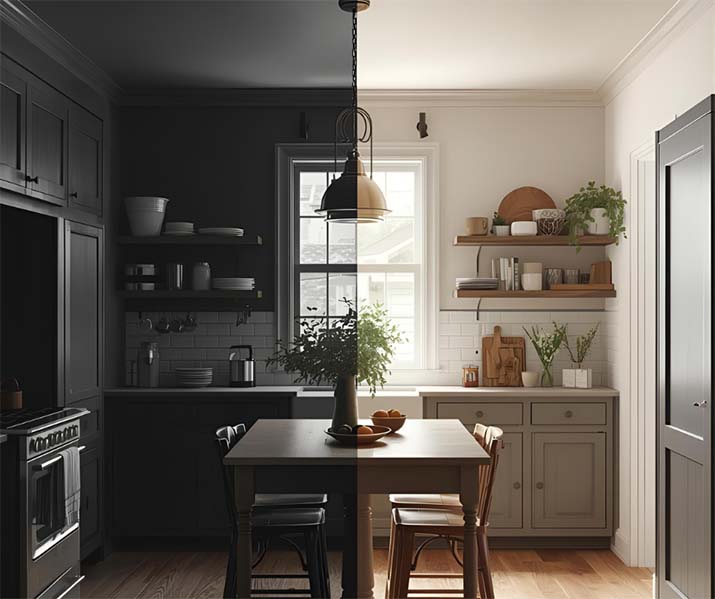
In a small kitchen, your cabinets are the star of the show. They take up the most visual space and set the tone for the entire room. Unlike spacious kitchens where bold colors can create cozy zones, small spaces need colors that reflect light and create the illusion of openness.
Color psychology plays a huge role here. Light colors naturally bounce light around the room, making the walls feel like they’re pushed back. Dark colors absorb light and can make surfaces appear closer than they actually are. This phenomenon becomes amplified in compact spaces where you’re already working with limited square footage.
Designers also consider the 60-30-10 rule when selecting the best cabinet colors for small kitchens. Your cabinets typically represent the 60% portion of your color scheme, making them the foundation that everything else builds upon.
Choose wrong, and even the most thoughtful accessories won’t save the space. Choose right, and you’ve created a backdrop that makes everything else shine.
The Best Rule for Picking Cabinet Colors in a Small Kitchen
If you want your small kitchen to feel open now and still look good years from now, keep your choices grounded in what ages well, not what is trending this month. These three rules make the decision a lot easier.
- Choose warm neutrals over extreme tones. Soft whites, creamy off-whites, light greige, and blonde wood tones stay popular because they feel inviting and work with almost any style. Super icy whites and ultra cool grays tend to look dated faster.
- Avoid high-gloss, trend-driven finishes. High-gloss can look sharp in photos, but it shows smudges and wear, and it can lock your kitchen into a specific era. Satin and matte finishes usually look more natural and are easier to live with.
- Think about flooring and countertops first. Cabinets do not exist in isolation. The best cabinet color is the one that complements your floors and counters so the space feels balanced. When the foundation is right, you can update hardware, lighting, or decor later without repainting everything.
Classic Whites and Off-Whites for an Airy Look
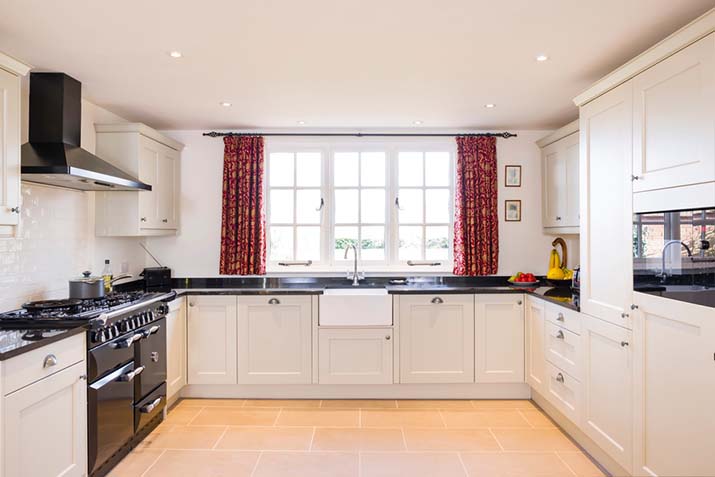
White cabinets remain the gold standard for small kitchen cabinet ideas, and there’s solid science behind this choice. Pure white reflects up to 80% of light, creating maximum brightness and the strongest sense of spaciousness. But not all whites are created equal.
Cool whites with blue or gray undertones work beautifully in kitchens with northern exposure, where natural light tends to be cooler. Warm whites with cream or yellow undertones complement spaces with southern or western light.
Off-white options like ivory, cream, and antique white add subtle warmth without sacrificing the space-expanding benefits. These colors feel less sterile than pure white while still maximizing light reflection. They’re particularly effective when paired with warm wood floors or brass hardware, creating a balanced, welcoming atmosphere that doesn’t feel cold or institutional.
Soft Pastels That Add Warmth Without Overwhelming
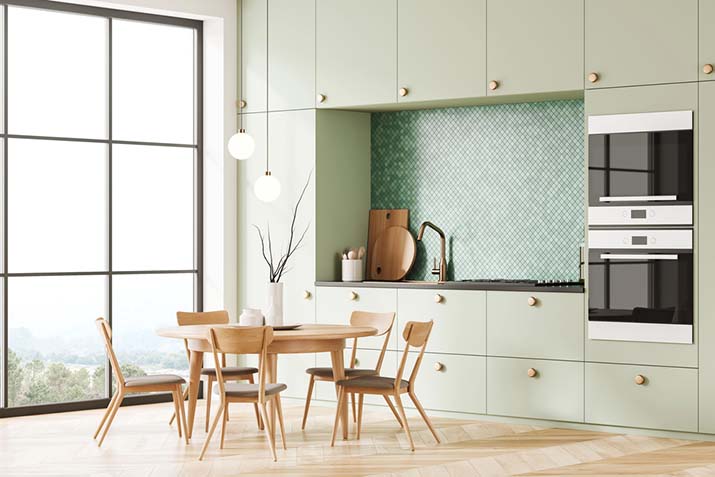
Pastels offer the perfect middle ground between stark white and bolder colors. These light cabinet colors maintain the space-enhancing properties of white while injecting personality and warmth into your kitchen design.
Sage green has recently become a designer darling, and for good reason. This muted tone brings a calming, natural element to small spaces while still reflecting plenty of light. It pairs beautifully with white countertops and subway tile backsplashes. Soft blues, particularly powder blue or seafoam, create a coastal, airy feeling that makes kitchens feel larger and more serene.
Blush pink might sound bold, but in its palest form, it creates a surprisingly sophisticated and space-friendly option. This color works especially well in modern kitchens with gold or brass accents, creating a warm, inviting atmosphere that doesn’t overwhelm compact spaces.
The key with pastels is choosing versions with high white content. These diluted colors maintain the light-reflecting properties you need while adding just enough color to keep things interesting. They’re perfect for homeowners who want personality without sacrificing the sense of openness that small kitchens desperately need.
Light Wood Tones for a Natural, Open Feel
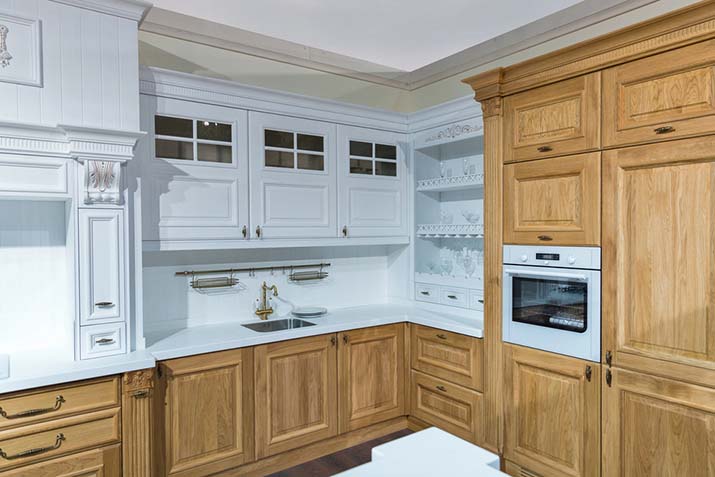
Natural wood cabinets bring warmth and texture to small kitchens while maintaining an open, airy feeling. The key lies in choosing the right wood tones and finishes that enhance rather than diminish your space.
Blonde woods like maple, birch, and light oak reflect more light than their darker counterparts, making them excellent choices for compact kitchens. These materials add organic warmth without the heaviness that comes with darker wood stains. Scandinavian design has popularized this approach, proving that wood can feel equal parts cozy and spacious.
White oak with a natural or light stain offers beautiful grain patterns while maintaining the light-reflecting properties essential for small spaces. Ash and beech are other excellent options that provide interesting texture without overwhelming limited square footage.
The finish matters as much as the wood choice. Semi-gloss and satin finishes reflect more light than matte options, helping to bounce illumination around your kitchen. Avoid high-gloss finishes on wood, though, as they can look artificial and may show every fingerprint and water spot, creating a maintenance headache in your already small space.
How to Use Dark Colors Strategically in Small Spaces
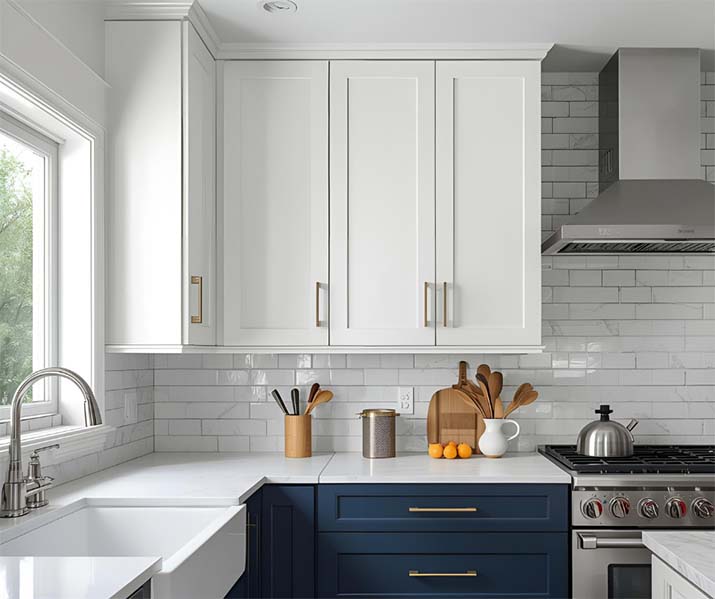
Dark cabinets in small kitchens aren’t off-limits, but they require some strategic thinking and careful execution. When done right, darker colors can actually create depth and sophistication without making the space feel cramped.
The two-tone approach works particularly well for space-saving kitchen design. Think: dark lower cabinets paired with light upper cabinets. This creates visual weight at the bottom of the kitchen while keeping the upper portion light and airy. Navy blue or forest green lower cabinets with white uppers create a grounded, sophisticated look that doesn’t overwhelm.
Consider dark cabinets on just one accent wall or island. This creates a focal point without dominating the entire space. A dark blue island surrounded by white perimeter cabinets adds drama while maintaining the open feeling essential in small kitchens.
Lighting becomes especially important when you’re thinking about incorporating dark colors, which obviously doesn’t reflect back as much light as paler hues. Under-cabinet LED strips, pendant lights, and good overhead lighting can counteract the light-absorbing properties of darker shades. Glossy finishes on dark cabinets also help reflect available light, preventing the space from feeling too enclosed.
The key, again, is balance. If you choose dark cabinets, everything else (walls, countertops, backsplash) should lean lighter to compensate and maintain some visual breathing room.
Pairing Cabinet Colors with Countertops & Backsplashes
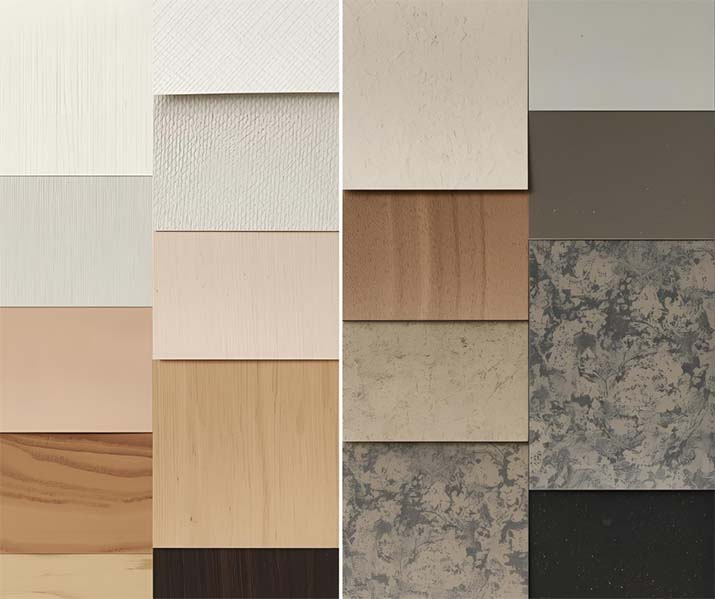
The best cabinet colors for small kitchens are those that work in harmony with your countertops and backsplash choices. This coordination can make or break the spacious feeling you’re trying to achieve.
Light cabinets, for example, pair beautifully with both light and dark countertops. White cabinets with white quartz create a seamless, expansive look, while white cabinets with dark granite provide contrast without overwhelming the space.
For backsplashes, subway tile in white or light gray remains a classic choice that works with virtually any cabinet color. Glass tiles reflect light beautifully, making them excellent for small spaces. Natural stone in light colors adds texture without visual weight.
When you’re working with colored cabinets, choose countertops and backsplashes in neutral tones. Sage green cabinets look stunning with white quartz and natural stone backsplashes. Soft blue cabinets pair well with light wood butcher block or white marble countertops.
Avoid busy patterns or multiple bold colors competing for attention. In small kitchens, simplicity creates the illusion of more space. Let your cabinet color be the star while supporting elements stay beautifully understated.
Choosing the Best Kitchen Cabinet Colors is Easier Than You Think
Ultimately, choosing the best kitchen cabinet colors comes down to understanding how color affects perception of space. Light colors remain the safest bet for maximizing openness, but don’t be afraid to add personality through soft pastels or strategic use of darker tones.
Remember that lighting, finishes, and coordinating elements all play supporting roles in making your cabinet color choice successful. Whether you go with classic white, warming pastels, natural wood tones, or strategic dark accents, the key is creating a cohesive look that makes your small kitchen feel larger, brighter, and more welcoming.
What Is the Best Cabinet Color for a Very Small Kitchen?
In very small kitchens, white and warm off-white remain the safest choices because they reflect the most light and visually expand walls. Light gray, pale sage, and blonde wood tones also work well when paired with white walls and bright countertops. The key is keeping contrast soft and avoiding heavy upper cabinets that visually close in the room.
Not sure which cabinet color works best for your space? Our free kitchen design service helps you visualize cabinet colors in your actual layout before you order.
Frequently Asked Questions
What color cabinets make a small kitchen look biggest?
White is usually the most effective choice because it reflects the most light, which helps walls feel farther apart. That said, any light neutral like off-white, cream, or very pale gray can create a similar space-expanding effect compared to darker tones.
Can I use dark cabinet colors in a small kitchen?
Yes, but it takes some balance. Painting every cabinet dark can make a small kitchen feel heavy. A safer approach is a two-tone layout: use darker shades like navy or charcoal on the lower cabinets to add depth, and keep the uppers white or light gray so the room still feels open.
Are matte or glossy cabinet finishes better for small spaces?
Glossy and semi-gloss finishes tend to work better in small kitchens because they reflect light. Matte finishes absorb more light, which can make the room feel slightly flatter. A soft satin finish often strikes the best balance between brightness and practicality.
What are the best alternatives to white cabinets for small kitchens?
If white feels too stark, great alternatives include warm greige, pale sage green, or light natural wood tones like white oak. These options add warmth and character while still keeping the space bright.
How many different cabinet colors should I use in a small kitchen?
In most small kitchens, one or two cabinet colors is plenty. More than that can start to feel visually busy. A simple monochromatic look or a clean two-tone design usually keeps the space feeling cohesive and open.

Andrew Saladino
Andrew Saladino co-founded Kitchen Cabinet Kings in 2010, and the company has since delivered cabinets for more than 110,000 kitchens. Named to the NKBA 30 Under 30 in 2013 and 2014, he writes about cabinet styles, construction, finishes, costs, lead times, and the ordering details that are easy to miss until the cabinets arrive.





Choosing cabinet colors for a small kitchen can feel overwhelming, but you did a great job explaining how different tones can impact light and space.