

6 Most Popular Kitchen Cabinet Layouts
By: Andrew Saladino |  9 min
9 min
Last Updated: January 6th, 2024
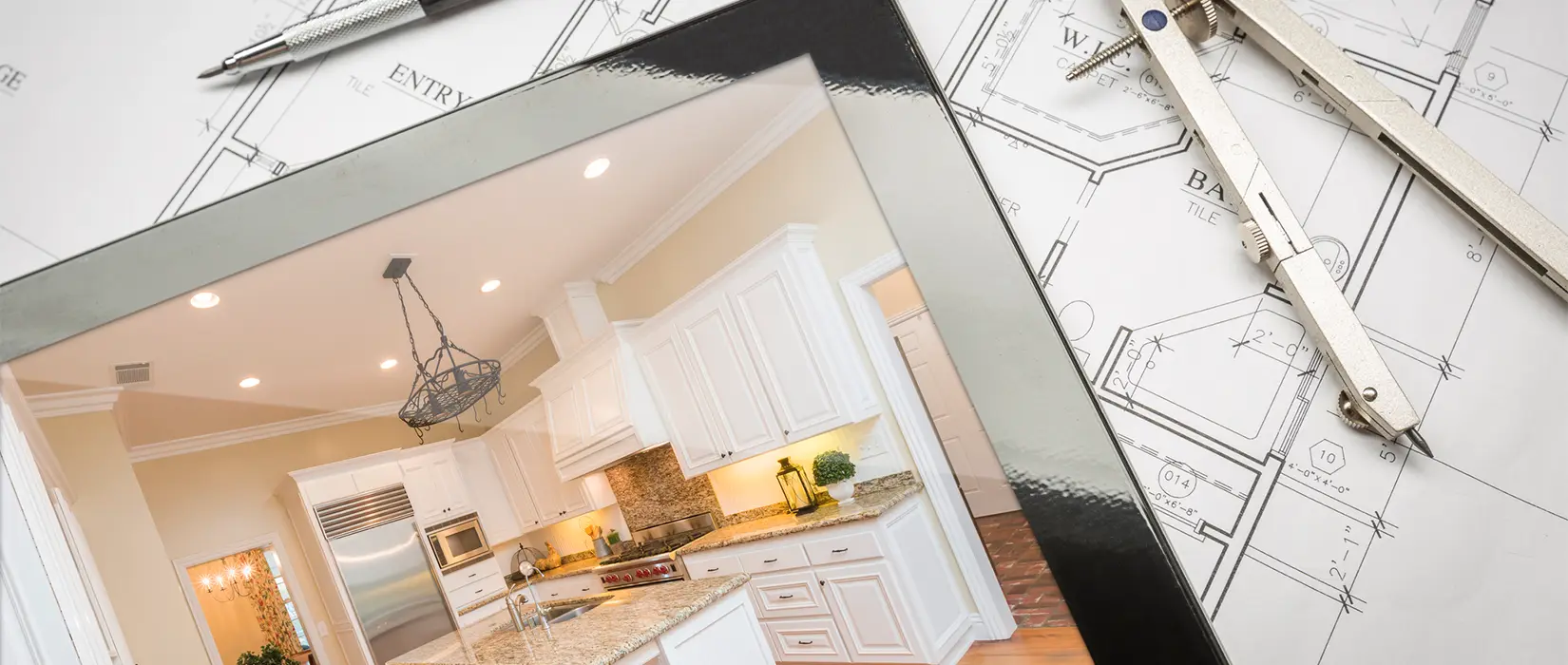
Gone are the days of a cluttered kitchen that compromises your cooking or entertaining experience. Whether you're remodeling your existing kitchen or scoping the blueprints for your new home, designing the perfect kitchen layout ensures your space is both functional and stylish.
From small kitchens with efficient storage solutions to spacious open floor plans, this guide covers the six most popular kitchen cabinet layouts so you can choose a design that fits your needs.
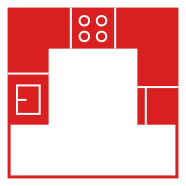 U-Shaped Kitchen Layout
 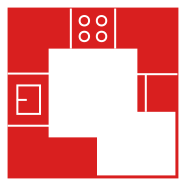 G-Shaped Kitchen Layout
 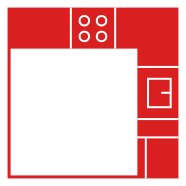 L-Shaped Kitchen Layout
  Galley Kitchen Layout
  One-Wall Kitchen Layout
  Island Kitchen Layout
 Looking for an expert opinion? Our NKBA-certified designers can help you envision any kitchen cabinet layout option in your space with a free 3D kitchen design.
Start Designing Your Dream KitchenTable of Contents
1. U-Shaped Kitchen Layout

U-shaped kitchen layouts, also known as C-shaped or horseshoe kitchens, are characterized by three walls or sections of countertops and cabinets that create a semi-circle, or "U" shape. U-shaped designs work best in large kitchens that have enough space for three countertops.
This layout is a great solution for homeowners who want an open concept with ample counter and storage space but still prefer a bit of separation between the kitchen and living area. However, U-shaped kitchens tend to be deep and narrow, which can make them feel tight when more than one person is in the kitchen at a time.
Pros
- Plenty of counter space
- Increased storage
- Streamlined workflows
Cons
- Narrow design
- Jammed walkways with multiple cooks.
- Difficult to work with corner cabinets
2. G-Shaped Kitchen Layout

A G-shaped kitchen is similar to a U-shaped layout but has a bit more space from the added peninsula that creates the "G" shape. This layout is typically found in large open-concept homes with a kitchen area that's at least 10 feet by 10 feet.
If you're looking for a kitchen to accommodate a busy household and multiple chefs at a time, this layout maximize storage and countertop space. Because of the sheer size of these kitchens, you'll also have multiple options for creating one or more work triangles.
Designing a G-shaped kitchen takes a lot more consideration and planning than other layouts and may not be the best choice if you're leaning toward a simple, minimalist design.
Pros
- More counter and storage space.
- Multi-use peninsula.
- Multiple options for work triangles.
Cons
- Not suitable for smaller kitchens.
- Constricted traffic in and out of the kitchen.
- Corner cabinets can make storage hard.
3. L-Shaped Kitchen Layout

An L-shaped kitchen design is one of the most popular kitchen cabinet layouts because of its ability to maximize space in any size kitchen. This kitchen layout has two adjoining counters that create a right angle in a corner of the kitchen, forming an “L” shape. The open concept is great for families and those interested in hosting and entertaining guests.
If you want to streamline prep, cooking, and cleanup, L-shaped kitchens offer a great work triangle when executed properly. An L-shaped layout enhances efficiency and workflow, allowing multiple cooks to work together while still providing ample walkway space.
Pros
- Optimal work and cabinet space.
- Open concept and interactive cooking environment.
- Flexible layout.
Cons
- Configuration may be frustrating for multiple cooks and traffic flow.
- Larger space can make it harder to walk between work zones.
- Corner cabinets can be hard to work with.
4. Galley Kitchen Layout

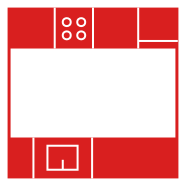
A galley kitchen layout is most often seen in small kitchens but can be a great layout for medium and large-sized kitchens, too. A galley kitchen layout design features two parallel countertops with a walkway between them.
This type of layout offers a seamless work triangle if your appliances and work areas are positioned correctly. However, this design may not be the best option if you plan on cooking with a partner, as the narrow design can make it difficult for multiple people to work together. If space allows, consider adding a kitchen island to your galley layout for additional workspace.
Pros
- Maximum functionality and efficiency.
- Good for small spaces.
- Plenty of counter space for a compact work triangle.
Cons
- Narrow design.
- Countertops on either side can create a closed-in feeling.
- Limited storage.
5. One-Wall Kitchen Layout

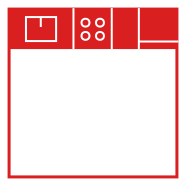
A one-wall kitchen layout, or single-wall layout, is another functional design option if you're working with a small space. This layout places prep areas, appliances, and cabinets along one wall, leaving the other three sides of the kitchen open to the living area.
Although single-wall kitchen cabinet layouts do away with the traditional work triangle, they make up for it by boosting efficiency between the kitchen, dining, and living areas. By having the kitchen fixed to one wall, you open up the rest of your home or apartment. This helps with overall traffic flow and is great for maximizing natural lighting.
Though they provide an open layout, one-wall kitchen designs lack the prep and storage space large families or serious chefs may need. While one-wall kitchens offer an optimal layout for one or two people to work, the space can quickly become cramped with more cooks.
Pros
- Conserves space.
- More affordable.
- More efficient workflow.
Cons
- Can feel cramped in a small space.
- Not ideal for large families and multiple cooks.
- Limited countertop and storage space.
Want to finance your dream kitchen layout? Get as low as 0% APR financing for 12 months and choose a plan that works for you with Affirm.
Learn More6. Island Kitchen Layout

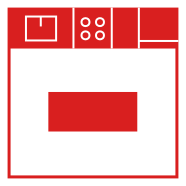
Island kitchen layouts feature a freestanding countertop that can either match your existing design or serve as a focal point. If space allows, a kitchen island can add additional storage, seating, and workspace to:
- U-shaped kitchens
- L-shaped kitchens
- One-wall kitchens
Although kitchen islands offer more working space, they're not the best option for tiny kitchens. These bulky and expensive additions can take up precious floor space and leave little walking room. Opt for a more flexible solution like a movable cart or a tall table if you need an extra prep area or storage space.
Pros
- Extra storage and countertop space.
- Flexibility to install a sink or stovetop.
- Great for families and multiple chefs.
Cons
- Not great for small kitchens.
- Limited traffic paths since walkways may be blocked.
- Can be expensive to install.
Are you a contractor or industry professional spearheading your next kitchen layout project? Sign up for our kitchen contractor discount program to take advantage of exclusive deals and freebies.
Sign UpOther Kitchen Cabinet Layout Considerations
Your kitchen is the heart of your home, making it important to design your space with functionality and efficiency in mind. Here are a few kitchen cabinet layout considerations when planning your kitchen redesign.
Work Triangles

Work triangles aim to form a triangle between three of your kitchen's main work areas: the stove, sink, and refrigerator. Each leg of the triangle should be between 4 and 9 feet to create a layout for an efficient workspace.
Well-placed work triangles make a big difference in the efficiency of your kitchen, ensuring it’s both functional and aesthetically pleasing. While the "golden triangle" specifically relates to the space between the sink, refrigerator, and stove, you can create and optimize your work triangles by following these tips:
- Refrigerator placement: Install your refrigerator and pantry near your kitchen's entrance for ease of access when bringing home groceries.
- Cooking areas: Place your cooking areas, like your cooktop and oven, closest to your dining area to create a seamless transition from cooking to dining.
- Sink placement: Install your sink between your prep area and stovetop for more efficient cleanup.
Work Aisles and Walkways

Work aisles are the spaces between countertops where you stand when prepping, cooking, and cleaning. There should be a minimum clearance of 42 inches for a comfortable workspace.
Walkways are the pathways people walk through but aren’t considered part of the work triangle. To avoid traffic jams, walkways should have a minimum clearance of 36 inches.
The width of your work aisles and walkways is an important part of your kitchen layout. Having a crowded walkway can ruin your workflow when cooking and cleaning and can make bringing in groceries a nuisance. These minimums ensure your kitchen will be able to handle sufficient traffic.
Countertop Dimensions

Most kitchens are fitted with countertops that measure 25.5-28 inches in width — from the wall to the edge of the counter — with a 1.5-inch overhang over the cabinets. The standard countertop height is 36 inches, but it’s best to aim for a height that’s about 3 inches below your elbow.
When designing your kitchen layout, take into account how much space your countertops and cabinets will take up and what room will be left for walkways and work aisles. If your kitchen is on the smaller side, opt for more narrow countertops to preserve floor space.
Landing Areas

Landing Areas
- Cooktop: min of 12" on each side.
- Sink: min of 18" on each side.
- Refrigerator: min of 15" on the side with the handle.
Landing areas are the open spaces on your countertop next to appliances. They provide a convenient spot to place groceries, dishes, pots, or other kitchen items.
Follow these general sizing guidelines for landing areas for optimal efficiency and safety:
- Cooktop landing area: At least 12 inches on each side of the cooking surface.
- Sink landing area: At least 18 inches on each side of the sink.
- Refrigerator landing area: At least 15 inches on the side of the fridge that has a handle.
Kitchen Cabinet Layout FAQs
Still deciding which kitchen cabinet layouts are the right fit for your space? Here’s a quick breakdown of the most frequently asked kitchen layout questions to help you make a decision.
What are the six most popular kitchen layouts?
The six most popular types of kitchen layouts are:
- U-shaped layouts
- G-shaped layouts
- L-shaped layouts
- Galley layouts
- One-wall layouts
- Island layouts
What is the most efficient kitchen cabinet layout?
The most efficient kitchen cabinet layouts depend on your space and needs. L-shaped, U-shaped, and G-shaped kitchens are great for large households or serious chefs who need extra storage and countertop space. On the other hand, galley kitchens or one-wall kitchens are the most efficient layouts for small kitchens.
What is the kitchen triangle rule?
The kitchen work triangle rule is a design method used to lay out the three main work areas of your kitchen: the sink, refrigerator, and stove. These key elements should form a triangle, allowing you to move seamlessly between work areas in your kitchen.
How do I lay out a kitchen?
When laying out your kitchen design, your plan should start with accurate measurements to draft a floor plan that will suit your needs. You also want to consider the following:
- Work triangle: Plan your kitchen layout to follow the working triangle principle to ensure there’s ample space between the sink, stove, and refrigerator. This ensures you have enough counter space without sacrificing safety.
- Traffic flow: Consider the natural flow of traffic in your kitchen to determine the space needed to optimize your workflow. This keeps your kitchen from feeling cramped.
- Storage: Determine how much storage you need to plan for ample space in cabinets, drawers, and pantries.
What is the most space-saving kitchen layout?
The one-wall kitchen layout is generally considered the most space-saving kitchen layout since all cabinets and appliances are fixed to one wall. This leaves enough working space, with the option to add an island for additional storage and counter space if your kitchen size allows.
Once you've settled on a kitchen layout that works best for your space, you can move on to the fun part of the kitchen remodeling process: choosing your countertops and cabinets. Browse our huge selection of ready-to-assemble and assembled kitchen cabinets to find a style that integrates seamlessly into your kitchen layout.
Need some inspiration to help you decide on the perfect kitchen cabinet? Check out our remodeling blog for ideas like trending kitchen cabinet paint colors and cabinet door styles.