

Create an Easy & Green DIY Kitchen Compost Bin in 6 Steps

by Andrew Saladino
March 20, 2023
For those looking to reduce their carbon footprint or live a greener lifestyle, composting is a simple and easy way to get started. Composting is a process of breaking down organic waste, such as food scraps, leaves, and grass clippings, into a nutrient-rich soil amendment that can be used to fertilize plants and gardens. Although composting may seem rather complex, creating a DIY kitchen compost bin is an easy and affordable way to reduce your carbon footprint and create nutrient-rich soil for your plants.
Not sure where to get started? We compiled the perfect do-it-yourself guide for creating an easy and green kitchen compost bin. Whether you’re looking for a DIY countertop or an under-sink compost bin, follow along to learn how to make a kitchen compost bin and seamlessly incorporate it into your natural kitchen design.
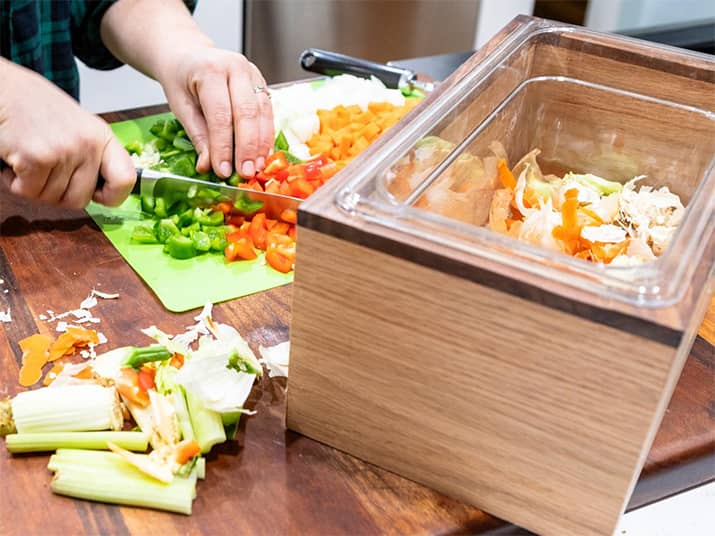
How to Make Your Own Indoor Compost Bin
Even if you aren’t the handiest individual with a set of tools, there’s no need to worry. We have the knowledge and knowhow to pass along so you can feel confident navigating the composting process.
Materials Needed:
- A plastic or metal container with a tight-fitting lid
- Drill with a large drill bit (1/2-inch or larger)
- Newspaper or brown paper
- Compost starter (optional)
Step 1: Select a Compost Bin
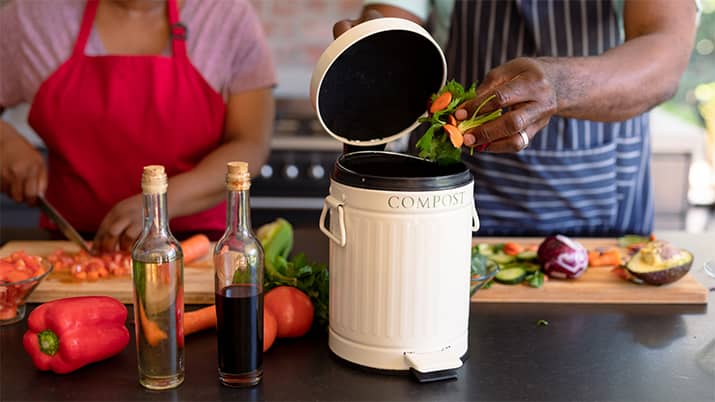
Have you been scouring over your Pinterest feed to look for creative composting bin ideas? The options are endless — which can feel a bit overwhelming when trying to decide on your ideal composting bin. You can opt for something as basic as a plastic or metal bin with a lid, or you can go for a DIY project and create a bin out of old, unused wood pallets, a large plastic storage bin, an old trash can, or a cute pot from HomeGoods.
No matter what type of kitchen compost bin you choose, make sure it is at least 1 cubic foot in size for optimal composting. Pro tip: indoor compost bins should have a lid to prevent unpleasant odors from escaping into the rest of your kitchen.
Step 2: Prep the Compost Bin
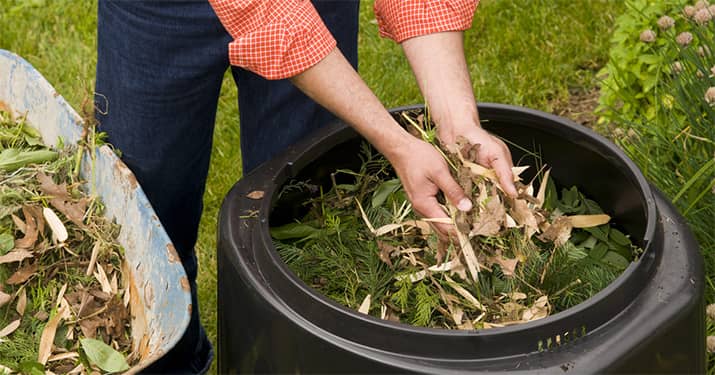
When you think of comporting, you likely envision adding kitchen scraps from vegetables and fruit to your compost bin. However, before we can get started with the composting, we need to finish setting up your kitchen compost bin for success. Add a layer of newspaper, dried leaves, or grass clippings to the bottom to keep the compost from getting stuck to the bottom of the container.
Step 3: Add a Compost Starter (Optional)
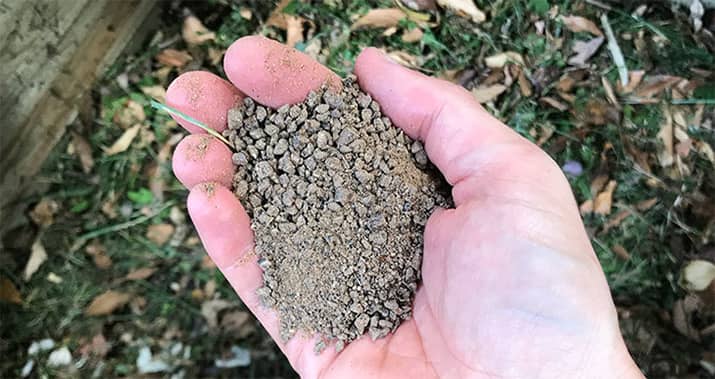
Although optional, a compost starter can be helpful for novice composters that are just starting out. Add a small amount to the bottom of the container alongside the newspaper, dried leaves, and grass clippings you just added to help jumpstart the composting process and reduce any odors.
Step 4: Start Composting

As you prepare your children’s lunches or cook tasty meals for your family, add any food scraps you have in excess to the compost bin. You can add in veggie and fruit scraps, meat bones, egg shells, coffee grounds, and paper products.
Step 5: Maintain the Bin
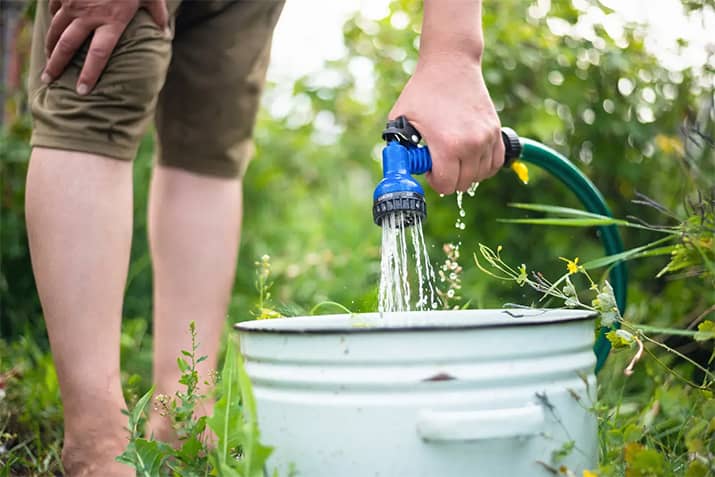
Although your compost bin is relatively low-maintenance, it will require a bit of upkeep to ensure healthy compost. Check the compost weekly (if not daily) to make sure it is moist. If the mixture appears dry you may need to add some water. If you think you have overwatered the compost, you can add in another layer of newspaper, dried leaves, or grass clippings to help reduce excess moisture. Stir the contents of the bin each week to help promote decomposition and prevent clumping so you have a healthy compost to work with.
Step 6: Harvest the Compost
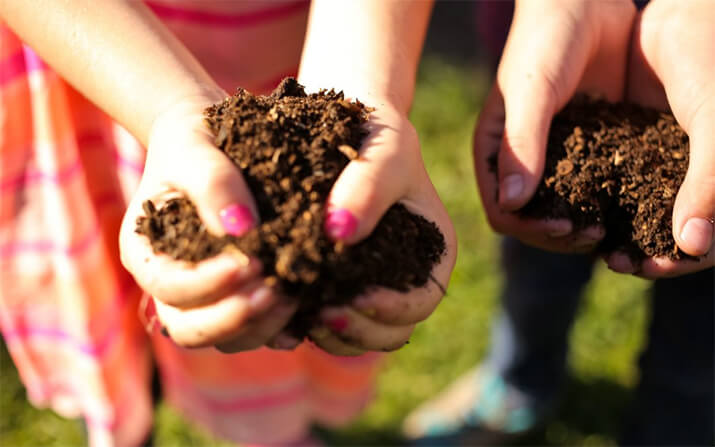
It’s the moment we’ve all been waiting for — seeing your compost in action! After weeks or months of maintaining your compost bin (depending on the bin’s size), your compost should have a healthy earthy smell and be moist to the touch. If it is ready, you can harvest the compost and use it to fertilize your indoor herb garden, plants, or outdoor garden. Then you can start fresh and keep on composting.
Frequently Asked Questions
How long does it take for compost to be ready?
Composting isn’t hard to do but it does require patience. It can take anywhere from a few weeks to several months before you have a healthy compost that can be used in your garden. Factors that impact how long it takes for compost to be ready include the size of your compost bin, what food waste you’re composting, and environmental conditions.
What can I compost?
Composting makes it simple for you and your family to safely dispose of your food waste in an eco-friendlymanner. Take any of your excess scraps from fruits and vegetables, coffee grounds, and eggshells and add them to the compost bin. You can even compost meat and dairy, yard waste and paper. Keep in mind that some items (such as meat) aren’t the best choice if you’re composting indoors as it can lead to unwanted smells.
When will I know my compost is ready?
After all the time and energy spent creating and maintaining your compost bin, you want to make sure that your compost pile is actually working. Do you notice a pleasant earthy smell? Is the compost noticeably dry or wet? A healthy compost will smell earthy and have a moist consistency.
Can I compost in an apartment or a small space?
You can compost in an apartment, however, you may need to compromise on the size of your compost bin — especially if you don’t have a yard. If you are working with a smaller square footage, we recommend using a mini compost bin in your cabinets, an under-sink compost bin, or a small countertop compost bin. Small doesn’t mean ineffective and will result in a quicker turnaround time for usable compost.

Andrew Saladino
Andrew Saladino co-founded Kitchen Cabinet Kings in 2010, and the company has since delivered cabinets for more than 110,000 kitchens. Named to the NKBA 30 Under 30 in 2013 and 2014, he writes about cabinet styles, construction, finishes, costs, lead times, and the ordering details that are easy to miss until the cabinets arrive.




Thanks for these great tips! I know what I’m doing this weekend
good idea for make kitchen compost.