

What Is a Wet Room? A Complete Guide to This Modern Bathroom Trend

by Andrew Saladino
March 23, 2026
Chances are, you have seen them while scrolling through luxury real estate listings or collecting ideas for your next renovation. Wet rooms look sleek. They feel open, airy, and modern. And yes, they can carry a serious price tag.
But what is a wet room, really? Is it just a fancy shower with no door, or is there more to it? And can this look actually hold up in a busy household where weekday mornings are hectic and practical needs come first?
A wet room is not just a design trend. It is a complete rethinking of how a bathroom is built and used. Instead of dividing the space into separate zones (shower in a box, toilet in a corner, vanity tucked along one wall), everything becomes part of a single, unified, fully waterproofed room. The shower sits flush with the floor, there is no curb to step over, and the entire space is sealed to handle water from wall to wall.
If that sounds intriguing, keep reading. We will break down how wet rooms work, what they cost, and whether this concept makes sense for your next remodel.
What Is a Wet Room?
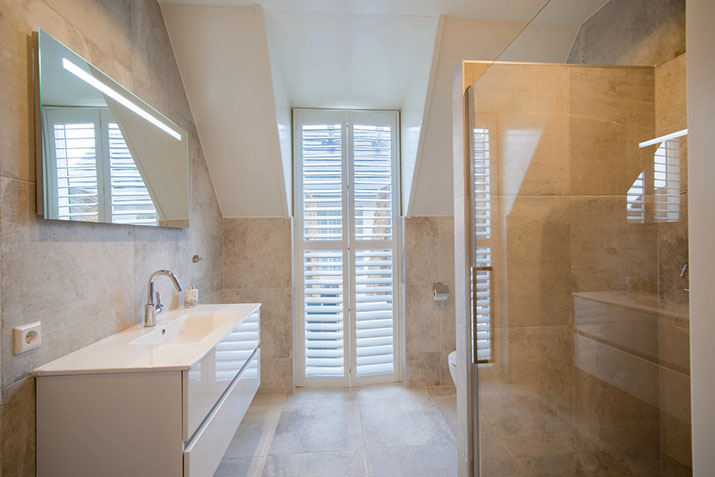
Here is a simple way to think about it. If you walked into a traditional bathroom and sprayed the shower head around the room, you would probably have a disaster on your hands and some serious water damage bills. In a wet room, you could do exactly that without a problem.
The wet room definition is straightforward: a wet room is a bathroom where the entire space has been fully waterproofed (walls and floor), with the shower area set flush with the rest of the flooring. There is no tray to trip over and no enclosure required, though many homeowners add a minimalist glass screen to contain the spray.
What makes a wet room different from a standard walk-in shower comes down to the craftsmanship beneath your feet. The floor tilts slightly toward a discreet drain, usually a linear style rather than a round center drain, so water moves where it should without pooling. The waterproofing layer, sometimes called “tanking,” seals the entire room and protects the structure underneath from moisture damage.
The result is a bathroom that feels more like a spa retreat than a standard shower stall. No more banging your elbows on enclosure walls. No more scrubbing grime from door tracks. You have room to move, and the space feels as generous as it looks.
Wet Room vs. Walk-In Shower: What Is the Difference?
People often use “wet room” and “walk-in shower” interchangeably, but they are not the same thing. A walk-in shower is a shower area with no door or curtain, but it still sits inside a defined zone, usually on a shower tray or behind a curb that separates the wet area from the rest of the bathroom floor.
A wet room eliminates that separation entirely. The floor is one continuous surface with no tray, no step, and no curb. The waterproofing extends across the entire room, not just the shower zone. That distinction matters for accessibility, for cleaning, and for how the space looks and feels when you walk in.
If you are comparing the two for a remodel, think of it this way: a walk-in shower upgrades your shower. A wet room upgrades your entire bathroom.
Characteristics of a Wet Room
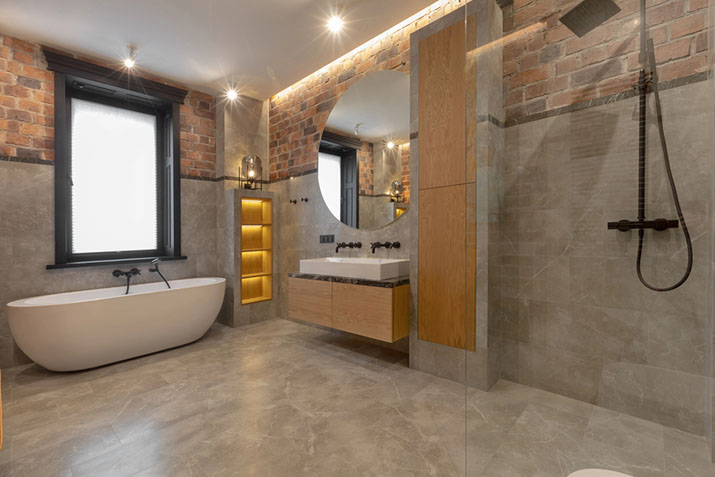
Not sure how to spot a wet room when you see one? Wet rooms have been a growing trend in luxury and mid-range homes alike. These are the features that set them apart from other bathroom layouts.
Seamless Flooring
The floor is the giveaway. In a standard bathroom, you can see a clear break where the shower begins, whether that is a curb, a tray, or a change in tile. In a wet room, the tile flows continuously from the entrance to the drain with no steps, no divisions, and no transition strips. This is one of the most recognizable characteristics of a wet room, and it makes a strong visual statement.
Linear Drainage
Wet rooms typically replace the familiar round center drain with a linear drain: a long, narrow grate installed along a wall or at the shower entry. Linear drains handle water volume more efficiently, work better with large-format tile, and fit the clean-lined look of an open-concept bathroom. The floor slopes gently toward the drain so water moves where it needs to go without pooling.
Open Layout
Size is not the deciding factor. Even smaller bathrooms can work as wet rooms, as long as the layout is intentional. When you lose the shower tray, the glass enclosure, and the curb, the entire room feels larger and more open, even if the square footage has not changed. For tight spaces, that visual expansion can be a real advantage.
Full-Room Waterproofing
This is the structural difference that separates a wet room from every other bathroom type. The waterproofing membrane covers the entire floor and extends up the walls, not just in the shower zone. If water splashes anywhere in the room, the structure underneath is protected. Tanking (as the waterproofing process is often called) is what makes the whole concept work.
Strong Ventilation
Without an enclosure to contain steam, moisture spreads across the entire room. A powerful extractor fan is not optional. Good ventilation keeps towels dry, prevents mold on the ceiling, and protects wall finishes over time. If you are planning a wet room, budget for a high-capacity fan rated for the room’s square footage.
Benefits of a Wet Room
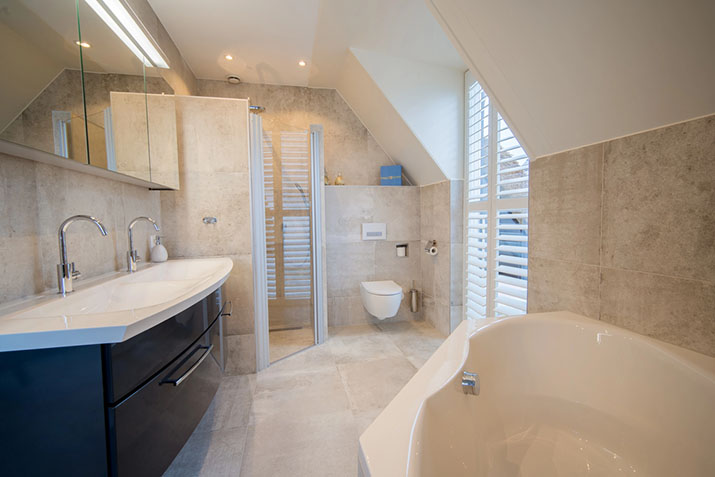
The benefits of a wet room go well beyond good looks. Here is what draws homeowners (and real estate agents) to the concept.
Accessibility and Aging in Place
Wet rooms are one of the most accessible bathroom designs available. There are zero trip hazards: no curb, no tray lip, no step into the shower. Wheelchairs, walkers, and shower seats fit right in. According to the CDC, falls are the leading cause of injury among adults 65 and older, and a curbless wet room design directly addresses that risk. For homeowners planning to age in place, or for families with members who have mobility challenges, a wet room removes barriers that traditional bathrooms create. Adding grab bars later is simple because the walls are already reinforced for waterproofing.
Easier Cleaning
Fewer seams mean fewer places for grime to hide. There are no shower door tracks to scrub, no tray edges to battle, and no silicone seals turning orange over time. You can wipe down the tile walls, rinse the floor toward the drain, and be done. Some homeowners even install a handheld sprayer near the toilet specifically for fast room-wide rinse-downs.
Property Value
A well-executed wet room adds real value to a home. Buyers recognize the investment involved in full-room waterproofing, quality tile work, and a thoughtful layout. It signals that the renovation was substantive, not just a surface-level cosmetic flip. As Realtor.com notes, buyers are increasingly drawn to the spa-like, future-proof quality of wet room design. Pairing a wet room with quality bathroom cabinetry strengthens that impression even further.
Durability
Because the entire room is tanked, stray water cannot sneak into the subfloor or walls the way it can in a traditional bathroom where waterproofing only covers the shower zone. Over time, that means fewer leaks, less repair work, and a bathroom that holds up better year after year.
Design Flexibility
Without enclosures, trays, and curbs dictating where fixtures go, you have more freedom to arrange the room the way you want. A freestanding tub can sit next to the shower. The vanity can float on the wall at any height. The layout adapts to the space instead of the other way around.
Wet Room Design: Making It Work for You
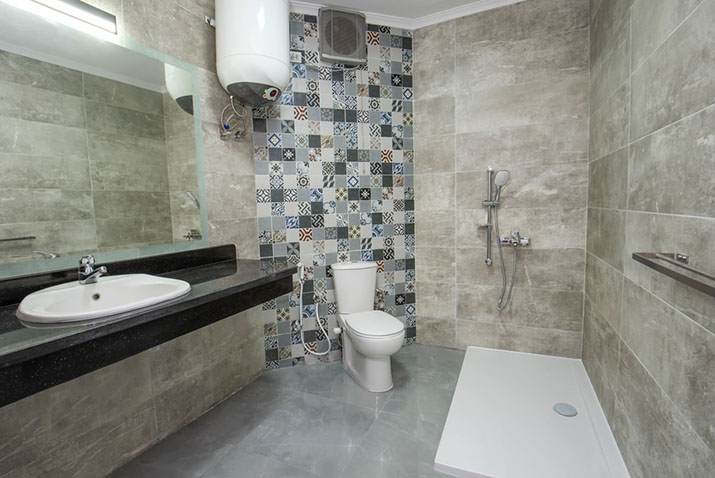
A wet room only works as well as it is planned. These are the design decisions that separate a wet room that feels luxurious from one that feels like a locker room.
Zone Your Space
Place the shower head as far from the toilet and towel storage as the room allows. In tighter layouts, a single glass panel between the shower and the dry zone contains splash without closing off the space. Skip heavy curtains and bulky framed doors. A frameless glass screen keeps the open feeling intact.
Choose the Right Vanity
Standard wood vanities and freestanding furniture pieces are risky in a room where water can reach every surface. Wall-mounted, water-resistant vanities are the better choice. They keep the floor clear for drainage, look cleaner in an open layout, and make mopping simple. At Kitchen Cabinet Kings, our bathroom vanity cabinets include wall-hung options that work well in wet room environments.
Plan the Heating
Without walls trapping steam, wet rooms can feel chilly, especially in cooler months. Radiant underfloor heating solves two problems at once: it keeps your feet warm and dries wet tile faster, which reduces slip risk and discourages mold growth. If underfloor heating is not in the budget, a towel warmer near the shower zone helps take the edge off.
Invest in the Right Tile
Tile selection matters more in a wet room than in a standard bathroom because every surface gets wet. Textured or matte-finish tiles with a higher slip rating are safer than polished stone, especially on floors. Smaller tiles with more grout lines also add grip. Large-format tiles look stunning on walls but should be used carefully on floors near the shower zone. For the latest options, browse bathroom design ideas to see what finishes pair well with wet room layouts.
Essential Wet Room Features to Include
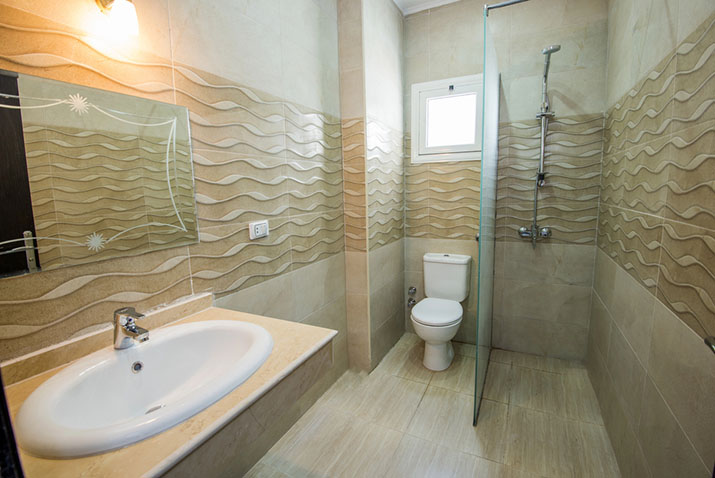
If you are committed to building a wet room, these are the features that should be on your planning list from day one. If you are still exploring whether this is the right direction, check out the latest bathroom trends to see how wet rooms compare to other popular upgrades.
Non-slip flooring. This is non-negotiable. Polished stone and glossy porcelain look beautiful but become dangerous when wet. Choose tiles with a textured surface or a certified slip-resistance rating. Mosaic tiles with dense grout lines also add traction.
A high-capacity drain. If your shower head delivers a heavy flow, the drain needs to keep up. A standard round plughole will not cut it. Linear drains handle more volume and pair better with the clean-lined look of a wet room floor.
Wet-rated lighting. Ordinary bathroom light fixtures are not rated for the level of moisture a wet room produces. Install IP-rated fixtures (IP65 or higher) near the shower zone, and make sure any recessed lights are sealed against steam.
Recessed storage niches. Shampoo bottles lined up on the floor ruin the look and create a tripping hazard. Built-in wall niches keep products organized, accessible, and off the ground. Plan their placement during the tile layout phase so they align with the grout lines.
A wall-mounted toilet. Wall-hung toilets simplify cleaning in a wet room because there is no base meeting the floor where water and grime collect. They also save a few inches of floor space, which helps in smaller wet rooms.
How Much Does a Wet Room Cost?
The cost of a wet room varies widely depending on the size of the room, the materials you choose, and your local labor rates. According to Fixr, wet rooms are the most expensive bathroom type to remodel, with costs reaching up to $35,000 due to additional waterproofing and tile work. Angi puts the typical range for wet room projects between $2,000 and $30,000, with extensive waterproofing driving the higher end.
The biggest cost driver is the waterproofing itself. Tanking an entire room (floor and walls) requires skilled labor and quality materials. This is not a place to cut corners. A waterproofing failure in a wet room can cause structural damage that costs far more to fix than the original installation.
Here is a rough breakdown of where the money goes:
Waterproofing and drainage: $1,500 to $5,000, depending on room size and floor construction (concrete is simpler than timber).
Tile and installation: $2,000 to $10,000 or more, depending on tile choice and room size. Large-format porcelain is mid-range; natural stone is premium.
Fixtures (shower system, drain, toilet, vanity): $2,000 to $8,000, depending on brands and features.
Underfloor heating (optional but recommended): $500 to $2,500.
Ventilation upgrade: $200 to $800.
If budget is a concern, consider making the wet room a second bathroom or an ensuite rather than converting your only full bath. That way, you get the spa experience without sacrificing a tub that future buyers might expect.
Is a Wet Room Right for Your Home?
Before you start planning, think through a few practical questions.
Do you have another bathroom with a tub? If the wet room will replace your only bathtub, that could affect resale value. Families with young children and many buyers still expect at least one tub in the home. If you have a second bath with a tub, converting the other to a wet room is a strong upgrade.
Is your floor structure suitable? Wet rooms require a floor that can support the waterproofing membrane and the slight slope toward the drain. Concrete subfloors are straightforward. Timber subfloors need additional preparation to prevent flex, which can crack the waterproofing over time.
How small is the space? Wet rooms can actually work very well in small or oddly shaped bathrooms, because removing the shower enclosure frees up usable floor area. Just make sure the layout keeps the shower spray away from towels and toilet paper.
Are you hiring experienced installers? A wet room is only as good as its waterproofing. This is not a DIY-friendly project for most homeowners. Hire a contractor with specific wet room experience and ask to see completed projects before signing a contract.
Start Planning Your Wet Room
Wet rooms are bold, durable, and genuinely practical for the right household. They work especially well as primary ensuites, accessible bathrooms, and second-bath upgrades where the open layout and spa-like feel add real value to daily life.
The foundation of any great wet room is the vanity and cabinetry that anchor the space. Wall-mounted, water-resistant vanities keep the floor clear for drainage and give the room its polished, intentional look.
Ready to start? Browse our full collection of bathroom vanity cabinets to find options that work in wet room environments. If you want help planning your layout, our free 3D design service pairs you with a certified designer who can map out fixture placement, vanity sizing, and storage. And if you want to confirm a color or finish before committing, order a cabinet door sample to see it in your space first.
Frequently Asked Questions
What is the point of a wet room?
A wet room makes the entire bathroom waterproof so the shower is not restricted to one enclosed zone. This creates a more accessible, open, and easy-to-clean space. Wet rooms are practical for anyone who wants step-free shower access, a cleaner look, or a bathroom that accommodates mobility aids without modification.
What is the difference between a wet room and a walk-in shower?
A walk-in shower is an open shower area that still sits on a tray or behind a curb. A wet room eliminates the tray and curb entirely. The floor is one continuous waterproofed surface, and the entire room is sealed against moisture, not just the shower zone.
Can you put a toilet in a wet room?
Yes. Most wet rooms include a toilet. Wall-mounted models are popular because they are easier to clean and keep the floor clear for drainage. Position the toilet away from the direct shower spray, and consider a glass partition to keep the area dry.
How much does a wet room cost?
Wet room costs typically range from $4,000 to $35,000, depending on room size, materials, and labor. The biggest expense is professional waterproofing, which is critical and should not be skipped or done cheaply. Tile work and fixtures make up the rest.
Are wet rooms good for small bathrooms?
Yes. Removing the shower tray and enclosure frees up floor space and makes a small bathroom feel significantly larger. Wet rooms are one of the best layout options for compact or oddly shaped bathrooms where a standard shower stall would feel cramped.
What are the downsides of a wet room?
Wet rooms cost more upfront than standard bathrooms due to the waterproofing and skilled labor required. Without an enclosure, steam spreads throughout the room, so strong ventilation is a must. Smaller wet rooms may feel damp if ventilation is undersized. And if you are converting your only tub to a wet room, some future buyers may see that as a drawback.

Andrew Saladino
Andrew Saladino co-founded Kitchen Cabinet Kings in 2010, and the company has since delivered cabinets for more than 110,000 kitchens. Named to the NKBA 30 Under 30 in 2013 and 2014, he writes about cabinet styles, construction, finishes, costs, lead times, and the ordering details that are easy to miss until the cabinets arrive.