

Plaster vs Drywall: Which Wall Material Should You Use?

by Andrew Saladino
July 7, 2024
During a home renovation, there are few things more exciting than seeing your vision come to life. From scouring design magazines and selecting design elements to creating the home of your dreams, many decisions must be made throughout the process. Some of these decisions are as simple as the color paint you will use on the walls, while others involve the materials used which can impact the overall look, feel, and quality of your renovation.
When it comes to renovating your home, one choice you will need to make is the right wall material that provides both structural integrity and aesthetic appeal. Two of the most popular options are plaster and drywall — which each have their own unique characteristics and benefits. To determine if drywall or plaster is right for your home project, Kitchen Cabinet Kings has put together a guide to explore the differences between these two materials.
What Is Plaster?
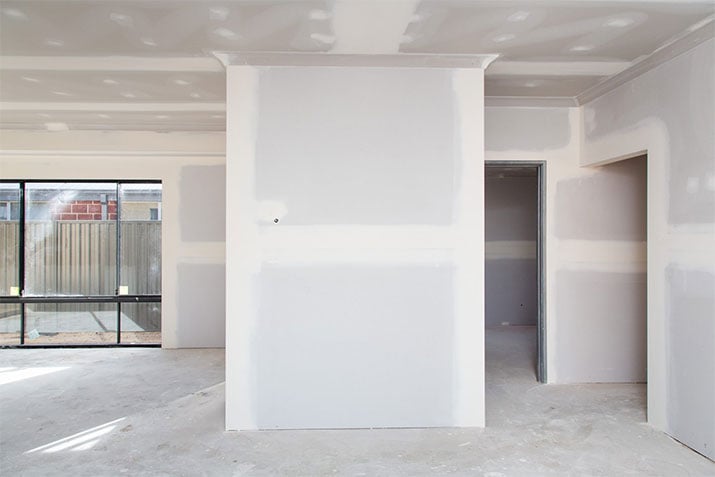
While browsing home renovation blogs, you’ll likely come across a recommendation to use plaster for your walls because of its durability and timeless appeal. Plaster is a combination of gypsum, lime, sand, and water that is applied later by layer to create a smooth, seamless surface for you to work with. This mixture is extremely durable and resistant to wear and tear, so it is extremely popular for areas in homes that experience high foot traffic.
A major benefit of plaster over other wall materials, like drywall, is that it is moldable. This allows you to mold and shape the mixture to create a unique and versatile space. This customizability makes it ideal for homeowners interested in incorporating architectural details such as archways or decorative moldings.
What Is Drywall?
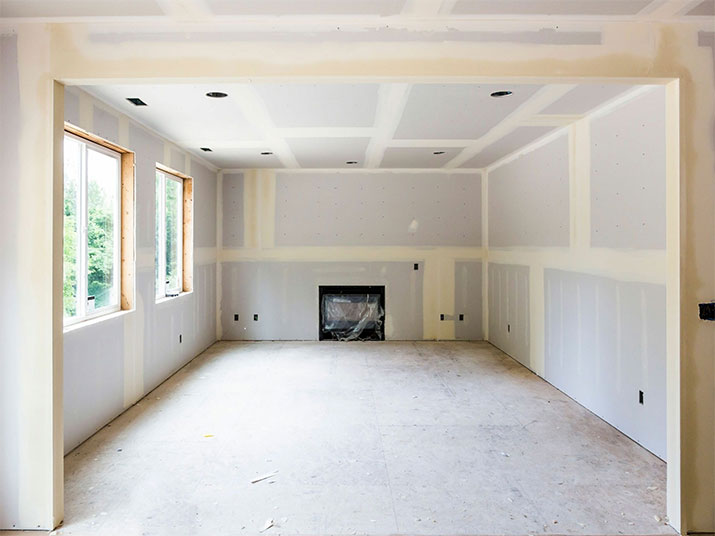
Drywall, which you may also hear referenced as gypsum board or sheetrock, is a popular choice in home construction because of how easy it is to work with and install. Unlike plaster which is more of a clay-like mixture, drywall comes in easy-to-install panels of plaster that are sandwiched between two layers of paper — allowing you to grab the exact size and dimension of panels you need to accommodate the space you’re working within.
No one wants to spend all their time working with difficult materials throughout the process. One of the main benefits of using drywall for your home remodeling project is its affordability and ease of installation. Along with being easy to install, it is also easy to adjust in the future if you end up needing to make additional changes or renovations to your home. Unlike plaster, drywall is typically easier to work with for novice do-it-yourselfers.
Choosing Between Plaster & Drywall for Your Project
Now that you understand what plaster and drywall are, it’s time to decide which wall material is right for your next project. Here are a few factors to consider during the decision process:
Cost
Home renovations can be expensive, so it’s important to find areas where you can reduce your overall costs, allowing for more room in the budget. If cost is a big factor for you, drywall is the more budget-friendly option, costing around $1 to $3 per square foot for installation. Plaster installation tends to run slightly higher, ranging from $2 to $10 per square foot (and often requires professional help versus a do-it-yourself approach). If you’re working within a tight budget, drywall may be the more economical choice for your DIY project.
Installation Time
Those trying to wrap up their renovation project quickly opt for drywall. Drywall installation is quick and can usually be installed in an entire home in just a few days. Plaster walls require multiple layers and drying time between coats, which can extend the overall installation timeline.
Soundproofing
Need help reducing the sound that travels through your home and walls? Plaster walls are an excellent choice for soundproofing, while drywall is typically thinner and less effective at blocking sound.
Energy Efficiency
Drywall, when coupled with quality insulation, can help reduce your home’s overall energy consumption by minimizing air leaks. As a result, using drywall throughout your home can help lower your energy bills.
Durability
The last thing you want is to do a home renovation and see it begin to degrade in quality over the year, requiring touch-ups. If durability is one of the most important factors for you, then plaster may be the ideal choice. Plaster offers durability because it can last for decades without needing touch-ups or replacement. Drywall, while less resilient than plaster, is still a durable and practical option for most residential applications.
Repairs
Although plaster is more durable, it can be more difficult to repair if you experience any damage. Something as simple as hanging a photo on plaster can cause damage if proper precautions aren’t taken. On the other hand, drywall is extremely easy to repair and touch up as needed by simply replacing the damaged sheet of drywall.
Both plaster and drywall offer different advantages, allowing you to determine which material is best for your walls.
Frequently Asked Questions
How can you tell if your walls are made of plaster or drywall?
To check if your existing walls are made of plaster or drywall, you can press a pushpin on the wall using your thumb. If the pin pokes into the wall easily, you likely have walls made of drywall. If there is a bit of resistance, your walls are plaster.
Can plaster and drywall be painted?
Yes, drywall and plaster walls can be painted using standard paint. However, it would be best to do proper research beforehand to prepare the surface for the paint job properly to ensure a high-quality finish.
Can I hang home decor on drywall and plaster walls?
If you plan to hang photos or home decor on your walls, drywall will be easy to work with. Drywall is softer, which allows you to insert a nail easily into the wall without causing any damage. Plaster is made of a much harder material that can crack or chip if nails aren’t inserted carefully, resulting in damaged walls.
Is it better to hang pictures in plaster or drywall?
Are plaster and drywall walls fire-resistant?
Yes, both plaster and drywall walls offer some degree of fire resistance. Plaster has a high water content and does not burn, making plaster walls naturally fire-resistant. Drywall contains gypsum and provides a layer of fire protection. However, no wall is entirely fireproof.

Andrew Saladino
Andrew Saladino co-founded Kitchen Cabinet Kings in 2010, and the company has since delivered cabinets for more than 110,000 kitchens. Named to the NKBA 30 Under 30 in 2013 and 2014, he writes about cabinet styles, construction, finishes, costs, lead times, and the ordering details that are easy to miss until the cabinets arrive.