
Creating a DIY Kitchen Herb Garden for Beginners

by Andrew Saladino
July 14, 2024
With the costs of groceries going up, many families are looking for ways to reduce their monthly costs — starting with their grocery bill. One effective way to cut grocery costs is to grow some of the ingredients on your grocery list in the comfort of your own kitchen! You don’t need to have a large backyard to grow your own herbs. With a bit of preparation and creativity, you can create a DIY kitchen herb garden that is both a compact and efficient solution to your problem! Why spend your hard-earned money on herbs when you can easily grow and harvest them yourself (with only a few startup costs to get you going!)?
To help you get started, Kitchen Cabinet Kings has put together a guide for growing herbs indoors that explores everything from setting up your herb garden to harvesting your flavorful herbs.
Getting Started with Growing Herbs Indoors

The thought of growing your own herbs can be intimidating, especially if you don’t feel as though you have a green thumb. Luckily, with a bit of preparation and knowledge, you’ll have a plentiful kitchen garden in no time. If you’re new to indoor gardening, one of the most important factors is deciding where you are going to place your herb garden. You may be working with limited square footage in your kitchen and that is quite alright — just make sure the spot receives ample natural light.
If getting natural light is not possible (or you want to hide the garden away inside of a cabinet to keep your countertops clutter-free), consider using an artificial grow light which will provide the necessary light whenever it is needed. Keep in mind that if you decide to grow your herbs in a cabinet, you will also need to consider the temperature and humidity levels in the cabinet.
Once you have your location selected, it’s time to grab the ideal containers for your herbs. You’ll want to use a container that offers drainage at the bottom to prevent waterlogged soil that can lead to root rot. Consider placing a tray underneath the containers to catch any excess water and prevent damage to your cabinet or countertop. Fill your containers with potting mix that you picked up from your local hardware store.
Then, it’s time for the fun part — determining which herbs you’re going to grow!
Selecting the Right Herbs for Your DIY Garden
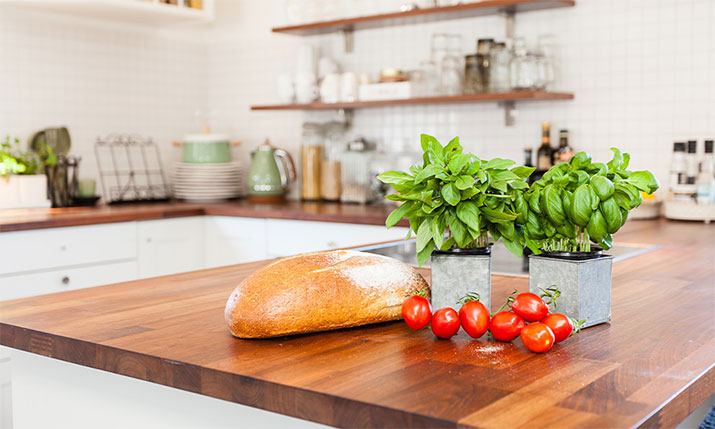
What are a few of your favorite recipes? Are there any that are on repeat each week? Consider which herbs are the most commonly used in your recipes. You will also want to consider which herbs thrive when planted together, the space they take up, and which adapt the best to growing indoors.
Companion Planting
Companion planting is a gardening strategy that involves cultivating different herbs together in the same container to help them mutually grow and thrive. This gardening practice harnesses the natural interactions between specific herbs and plants to create a harmonious garden. A common pairing in companion planting is basil and tomatoes. For example, with basil and tomatoes, growing them together not only enhances the flavor but helps keep pests away that can be harmful to your garden. When deciding which herbs you want to grow, you may want to consider a few with a companion relationship.
Growth
Depending on the amount of space you have to devote to your indoor gardening, you should be mindful of how certain plants grow. You may have limited space and need to opt for shorter varieties such as chives or parsley. However, if you have taller cabinets you may grow rosemary or thyme. Either way, we always recommend bunching similar-sized plants together in the same containers which will make it easier when harvesting.
Popular Varieties
Along with determining which types of herbs appear on your grocery list most often, it may also be helpful to know which types of herbs are the most popular amongst DIY home gardeners. Most often we see mint, basil, chives, cilantro, and thyme grown in a kitchen herb garden because of how versatile each of these options is. They can easily be grown in a confined space and add a lot of flavor to a variety of dishes and recipes.
Maintaining Your Kitchen Herb Garden
Maintaining your kitchen herb garden requires attention to three critical aspects: watering, monitoring and maintenance, and harvesting.
Don’t stress about not having a green thumb — we have tips to help you fake it until you make it! Watering is one of the easiest places that can go wrong. Underwatering can dry out your garden, not giving your herbs enough to grow. And overwatering can drown your plants or lead to root rot. You must strike a perfect balance with watering. Herbs prefer slightly moist soil, so we recommend regularly checking the top inch of soil in the container to help determine when you need to next water your kitchen garden. The top inch should always feel a bit damp so if you notice it becoming dry, give your garden some love.
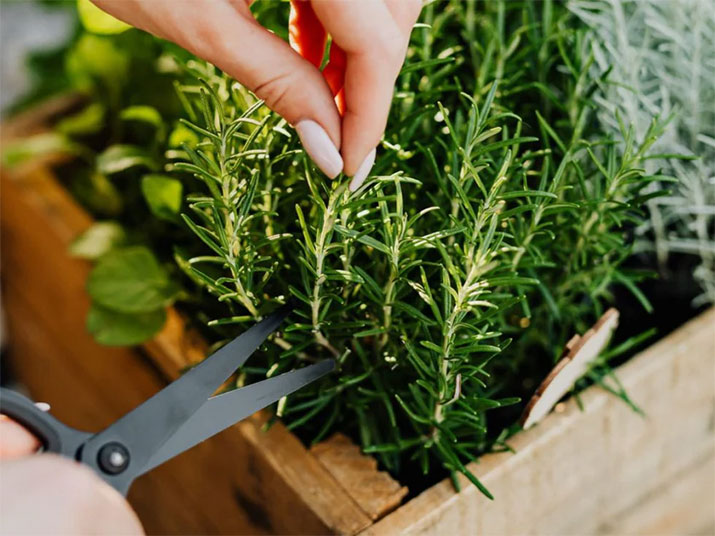
Being an indoor garden, you’ll likely have less of an issue with pests than you typically would with an outdoor garden. However, we still recommend keeping an eye on your plants for signs of pests or diseases. By taking care of any issues with your herbs early on, you can intervene and ensure not all of your herbs suffer because of it. You also need to make sure you are pruning the herbs as needed, using scissors to trim leaves or stems.
And last, but certainly not least, you need to feel confident harvesting your herbs so you can reap the benefits of your gardening efforts! When it comes to harvesting your kitchen garden, timing is crucial to capture its peak flavor. Right before the herbs flower, you will want to begin harvesting them. Each type of herb will be harvested a bit differently so make sure you look up the specific varieties you planted for optimal instructions. Keep in mind you can use your herbs fresh in that week’s recipes or dry them to use them in the future.
Frequently Asked Questions
What are the best herbs for a kitchen garden?
The most popular herb choices for a DIY kitchen garden include mint, basil, chives, cilantro, and thyme. These herbs adapt well to confined spaces and have versatile uses in the kitchen.
What are the easiest herbs to grow for a novice gardener?
Gardening can feel overwhelming if you have never done it before, which is why we recommend starting out with a few of our favorite easy-to-grow herbs. Consider growing mint, basil, chives, parsley, thyme, rosemary, oregano, and cilantro. These options are quite forgiving for new gardeners and can help you get your bearings before venturing out into the world of kitchen gardening.
Can I plant different herbs together in the same pot?
Yes, you can plant more than one variety of herbs in the same container. It doesn’t matter which you plant together — you can mix and match. However, there are a variety of herbs and plants that have benefits when planted together, such as basil and tomatoes. If you are interested in companion planting, look up a few varieties and make sure you are combining the right herbs in each container.
What tools should I use for pruning and harvesting my garden?
When in doubt, you can use standard scissors or kitchen scissors to trim leaves or stems from your DIY garden. However, specific gardening tools can be more efficient. You can consider investing in gardening shears, herb scissors, pruning shears, harvesting knife, or a paring knife. Each of these can help with various herb types and make clean cuts without damaging the plant.

Andrew Saladino
Andrew Saladino co-founded Kitchen Cabinet Kings in 2010, and the company has since delivered cabinets for more than 110,000 kitchens. Named to the NKBA 30 Under 30 in 2013 and 2014, he writes about cabinet styles, construction, finishes, costs, lead times, and the ordering details that are easy to miss until the cabinets arrive.