
What Are Thermofoil Cabinets? Pros, Cons, and Cost
By: Andrew Saladino |  7 min
7 min
Last Updated: June 17th, 2024
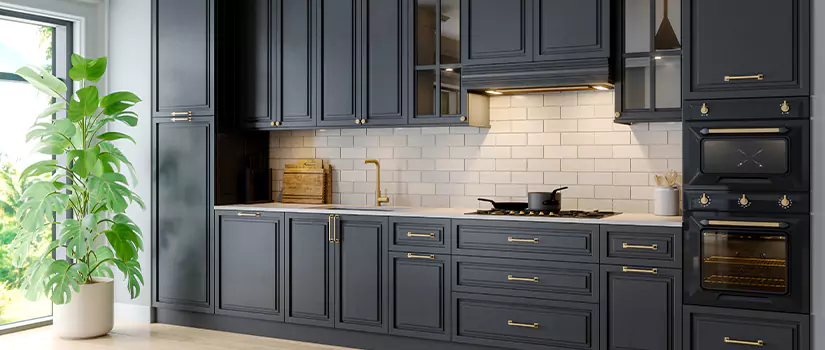
Thermofoil cabinets are budget-friendly cabinets made with a vinyl coating on a wood core, offering easy cleaning and a variety of colors and finishes.
Considering a kitchen or bath remodel? Cabinetry is a major decision, both aesthetically and financially. Thermofoil cabinets offer an attractive balance between budget and style.
In this article, we'll explore the advantages and disadvantages of thermofoil cabinets to help you decide if they're the perfect fit for your project. We'll also compare thermofoil to other popular cabinet finishes so you can make an informed decision when designing your dream kitchen or bathroom.
Table of Contents
What Are Thermofoil Cabinets?

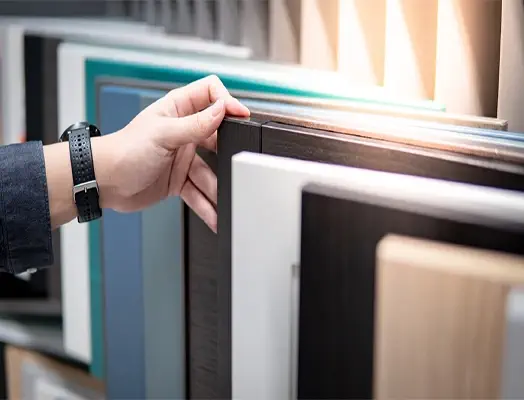
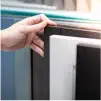
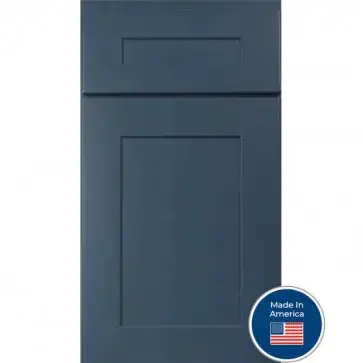
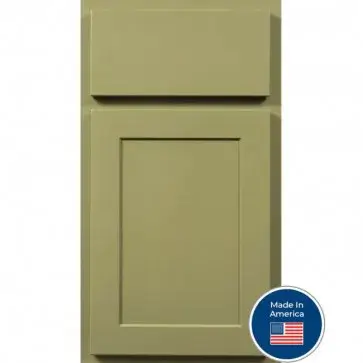
Thermofoil is a durable vinyl laminate used to mimic the look of painted cabinets. To create thermofoil cabinets, thermofoil is heated and pressurized to a core material — usually medium-density fiberboard (MDF) — resulting in a perfectly seamless exterior. Thermofoil cabinets come in a wide variety of colors and finishes, making them a versatile option for many design styles.
Pros and Cons of Thermofoil Cabinets
Thermofoil cabinets are great for those looking for a modern design that won't break the bank, but they're not for everyone. Here's a breakdown of their key advantages and disadvantages:
Pros
- Budget-friendly
- Easy maintenance
- Moisture-resistant
- Versatile
Cons
- Susceptible to damage
- Limited lifespan
- Discoloration
- Lower resale value
- Less customization
Pros:
- Budget-friendly: Compared to solid wood or other high-end materials, thermofoil offers significant cost savings.
- Easy maintenance: The smooth vinyl surface resists stains and wipes clean easily.
- Durable: Thermofoil is resistant to moisture and warping, making it a great choice for humid environments like kitchens and bathrooms.
- Versatility: Available in a wide range of colors and styles, thermofoil can mimic the look of painted wood and even feature faux wood grain.
Cons:
- Susceptible to damage: Thermofoil can be susceptible to scratches, dents, and peeling if impacted or exposed to extreme heat.
- Limited lifespan: While durable, thermofoil cabinets typically only last around 10 years with proper cabinet care. This is relatively short compared to some higher-end options.
- Discoloration: Thermofoil cabinets — especially lighter-colored cabinets — may take on a dull yellow color with age.
- Lower resale value: Homes with thermofoil cabinets may not fetch as high a price as those with higher-end materials.
- Less customization: Compared to custom-made cabinets, thermofoil options typically offer less design flexibility.
Thermofoil Cabinet Costs
Because thermofoil cabinets are typically constructed using wood composite materials like MDF, they're one of the most affordable cabinet finishes available. New thermofoil stock cabinets can cost as little as $100 per linear foot. Refacing older kitchen cabinets with thermofoil can run as low as $1,000 for a complete kitchen.
Keep in mind that the price of thermofoil cabinets ultimately comes down to the core material used. Thermofoil mounted over solid wood doors is often just as expensive as stained solid wood cabinets, which could run you nearly $1,200 per linear foot depending on the wood species.
Need a realistic remodeling budget breakdown? Check out our kitchen remodel cost estimator to help you determine how much you can expect to spend on cabinets and more.
Thermofoil Cabinets vs. Other Cabinet Finishes
When it comes to cabinet finishes, thermofoil presents a compelling option, but it's not the only player in the game. Here's how it stacks up against other popular choices:
| Type | Durability | Moisture Resistance | Heat Resistance | Cost |
|---|---|---|---|---|
| Thermofoil | ★★★ | ★★★★ | ★★ | $$ |
| Paint | ★★★★ | ★★★★ | ★★★ | $$ |
| Stain | ★★★ | ★★★ | ★★★ | $$$ |
| Glaze | ★★★ | ★★★ | ★★★ | $$$ |
| Waterborne | ★★★★ | ★★★★ | ★★★ | $$ |
| Laminate | ★★★★ | ★★★★ | ★★★ | $$ |
| Melamine | ★★★★ | ★★★★ | ★★★ | $ |
| Wood Veneer | ★★★ | ★★★ | ★★ | $$$$ |
| Lacquer | ★★★ | ★★★ | ★★ | $$$$ |
Thermofoil vs. Wood Cabinets

If you're considering either thermofoil or wood cabinets for your kitchen, here's how the two cabinet materials compare:
- Aesthetics: Solid wood reigns supreme for those who crave timeless elegance. The natural beauty of the wood, with its unique grain patterns and warmth, creates a classic and inviting atmosphere. Thermofoil, on the other hand, offers a modern and smooth look. It boasts a wider range of finishes, including realistic wood grains, but the color options themselves are typically pre-determined.
- Durability: When it comes to lasting power, solid wood can't be beat. With proper care, these cabinets can endure for decades, potentially even increasing your home's resale value. Thermofoil offers resistance to moisture and warping, making it a good choice for kitchens and bathrooms. However, its Achilles' heel lies in its susceptibility to scratches, dents, and peeling if impacted or exposed to extreme heat.
- Maintenance: Thermofoil is much easier to maintain than solid wood. Its smooth vinyl surface requires nothing more than a quick wipe-down to keep it clean. Solid wood cabinets need occasional refinishing to maintain their luster and address any minor scratches that may appear over time.
- Cost: Budget-conscious homeowners will find thermofoil to be a lifesaver. It's a significantly more affordable option compared to solid wood cabinets.
Thermofoil vs. Painted Cabinets

Deciding between thermofoil and painted cabinets hinges on your priorities. Both offer distinct advantages, including:
- Aesthetics: Painted cabinets boast a timeless elegance and come in a virtually limitless color palette. They can elevate your kitchen's style and create a custom feel. Thermofoil, on the other hand, offers a modern, smooth look with a wider range of finishes, including realistic wood grains. However, the color options are generally pre-determined.
- Maintenance: Thermofoil wins in terms of maintenance. Its vinyl surface resists stains and only needs occasional cleaning with a damp cloth. Painted cabinets require regular dusting and cleaning to prevent grime buildup, and may need repainting over time.
- Durability: Thermofoil cabinets are susceptible to scratches, dents, and peeling. Painted cabinets are more prone to chipping and require occasional touch-ups or repainting. In terms of overall durability, both options can handle everyday wear and tear, but painted finishes used for solid wood cabinets might offer a slight edge.
- Cost: Thermofoil reigns supreme in affordability, making it a budget-conscious choice. Painted cabinets, especially those made from solid wood, can be significantly more expensive.
Thermofoil vs. Laminate Cabinets

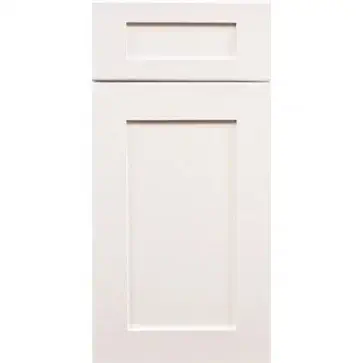
Thermofoil and laminate are very similar cabinet finishes, but they boast their own unique pros and cons. If you're torn between the two, here's a breakdown of how they compare:
- Aesthetics and customization: Both laminate and thermofoil offer a wide array of colors and finishes. Thermofoil creates a smooth, contemporary look with a slight sheen, but it can't mimic various textures like wood grain or stone like laminate. On the other hand, laminate finishes might have a slightly more "plastic" feel compared to thermofoil's vinyl.
- Durability and maintenance: Both finishes are known for their resistance to moisture and everyday wear and tear. Thermofoil is easier to clean due to its smooth surface, while laminate might require slightly more effort for textured finishes. However, laminate may be more resistant to scratches and dents than thermofoil.
- Cost: Thermofoil typically is more affordable, especially for pre-made cabinets. Laminate is available at a similar price point, but you may be compromising on durability and aesthetics.
Thermofoil Cabinet FAQs
Can you paint thermofoil cabinets?
Painting thermofoil cabinets is possible, but it requires more preparation and attention to detail than painting other surfaces. The slick vinyl surface of thermofoil makes paint adhesion challenging.
To ensure the paint adheres properly, you'll need to thoroughly clean the surface, scuff with sandpaper to create texture, and apply a special primer designed for nonporous surfaces. Still, this doesn't guarantee long-lasting results.
Are thermofoil cabinets good quality?
Thermofoil is not considered a high-end cabinet finish, but there are high-quality thermofoil cabinets available, especially if you opt for a solid-wood cabinet core. However, even top-tier thermofoil cabinets are susceptible to scratches, dents, and peeling, especially when exposed to extreme heat.
Why do thermofoil cabinets peel?
Thermofoil cabinets can peel for a couple of reasons, both related to how the vinyl adheres to the cabinet core. The main culprit is exposure to heat. High temperatures, especially from nearby ovens or prolonged sunlight, can weaken the adhesive bond between the thermofoil and the core. This can cause the vinyl to start bubbling or peeling at the edges.
Another factor is moisture damage. While thermofoil itself is water-resistant, water seeping through scratches or around poorly sealed edges can reach the core. This moisture can cause the cabinet core to swell, putting stress on the adhesive bond and eventually leading to peeling.
Ultimately, the best cabinet finish choice depends on your priorities. Thermofoil shines for its budget-friendliness and low maintenance, but if your priority is durability, you may want to consider a sturdier finish.
Luckily, you can rest assured you're receiving the highest-quality cabinet finish when shopping for your next set of kitchen cabinets with us. From natural wood veneer to premium paint, browse our cabinet selection to get the look you want at a price you can afford.