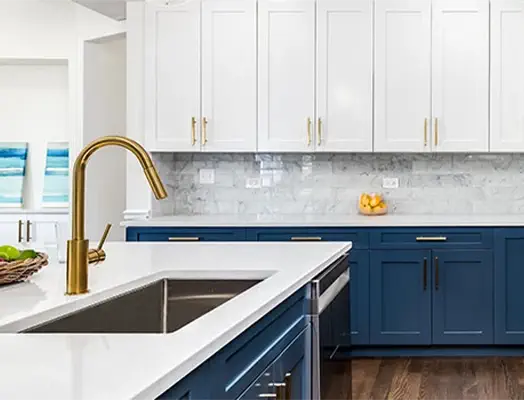

Do You Need a Permit to Remodel a Kitchen? Navigating the Legal Landscape
By: Andrew Saladino |  8 min
8 min
Last Updated: May 12th, 2024

Kitchen remodeling projects are a great way to transform your prepping, cooking, and eating area into a charming, cozy, or contemporary oasis. Before the demolition commences and the new parts are ordered, there's an important question to consider: Do you need a permit to remodel your kitchen?
While granite countertops, stainless steel appliances, and two-tone kitchen cabinets might have you excited for an upgraded aesthetic, understanding kitchen remodel permits is an essential part of the process that can prevent headaches during the renovation.
In this article, we'll share when permits are necessary for your kitchen remodel, the different types of permits, the steps involved in obtaining permits, and the potential consequences of skipping the permit process.
Table of Contents
Do You Need a Permit for a Kitchen Remodel?

When renovating your home, you may be surprised to learn that kitchen remodels require a permit. Aside from challenging jobs, some simple projects require specific permits. Certain home updates that affect the ventilation, lights, and exits require permits -- structural, plumbing, electrical, and HVAC updates all need permits. Here's a closer look at which projects need a kitchen remodel permit.
Structural Changes
Are removing walls or adding new windows on your kitchen renovation wish list? Here are some structural changes that may need a permit.
- Removing or adding load- and non-load-bearing walls
- Altering the layout (e.g., expanding or reconfiguring the kitchen space)
- Installing or modifying structural supports (e.g., beams or columns)
- Adding or removing windows
- Creating a skylight
Plumbing Updates
Not happy with the placement of your sink or looking to change your dishwasher? Check out these plumbing projects that could require a permit.
- Installing or relocating sinks
- Adding or moving gas lines for stoves or ovens
- Installing or modifying water supply lines for sinks, dishwashers, or refrigerators with ice
- Adding indoor or outdoor faucets
- Installing a new water heater
Electrical Updates
Swapping your light fixture and adding a new outlet are common kitchen renovation ideas. Here are a few electrical updates that typically need a permit.
- Adding or relocating electrical outlets
- Installing new light fixtures or ceiling fans
- Upgrading the electrical panel or wiring to accommodate new appliances or lighting configurations
HVAC Changes
HVAC renovation projects can make a world of difference in your kitchen. Here are some changes you can make that usually require a permit.
- Installing or relocating vents or ductwork for range hoods
- Adding or modifying HVAC supply or return vents for heating and cooling
- Installing new ventilation systems for improved air circulation
Kitchen Remodel Projects That Don't Require a Permit

If you're unsure if you need a permit to remodel a kitchen, it's best to consult a professional regarding legal requirements. The good news is that there are some kitchen remodel projects you can do without a permit. Most renovation projects that don't involve new ventilation, plumbing, or wiring shouldn't be a problem. Here are some common kitchen remodeling ideas that don't require a permit.
- Painting walls
- Painting kitchen cabinets
- Swapping the countertops
- Changing existing doors and windows
- Replacing existing light fixtures
- Swapping existing faucets
- Refacing kitchen cabinets
- Changing the floors
- Installing new appliances (only if no additional electrical work is needed)
- Adding a kitchen island

Types of Permits You May Need to Remodel a Kitchen

There are a few types of permits you may need to remodel a kitchen. Here's a closer look at the different types of kitchen remodel permits and their average turnaround time.
Building Permits
Building permits are required for kitchen remodels that involve significant structural changes or alterations to the overall layout. These projects include removing or adding walls, altering the blueprint, or changing the building structure.
Information needed: Detailed plans from a licensed architect or engineer
Time to obtain: 2-4 weeks, but could be longer depending on the extent of the project
Mechanical Permits
Any changes to the kitchen's heating, ventilation, or air conditioning system will require a mechanical permit. Some common projects include installing or relocating vents, ductwork for range hoods, and modifying the HVAC supply.
Information needed: A detailed explanation of any modifications to your HVAC system
Time to obtain: 1-2 weeks
Electrical Permits
Kitchen renovations involving electrical work will need this type of permit. This includes adding or relocating outlets and upgrading electrical panels or wiring for appliances.
Information needed: A detailed explanation of the planned electrical work
Time to obtain: 1-2 weeks
Plumbing Permits
You'll need to obtain this type of kitchen remodel permit if you're making any plumbing changes. Projects that may require plumbing permits include installing or relocating sinks, adding or moving gas lines for stoves or ovens, and modifying the water supply.
Information needed: A detailed explanation of any modifications to the plumbing system
Time to obtain: 1-2 weeks, but could be longer depending on the extent of the project
Get free 3D kitchen designs and exclusive discounts with our Kitchen Contractor Discount Program.
How To Get a Kitchen Remodel Permit
Now that you know you may need a permit to remodel a kitchen, you might be asking yourself how to get a kitchen remodel permit. Whether you're a homeowner or a contractor, here are a few steps to follow to ensure compliance with local building codes and regulations.
1. Contact Local Building Departments
Start by reaching out to your local building department or permitting agency — you can find your local government directory and contact information online. Call or send an email to speak with a representative to better understand the permit requirements and procedures unique to your area. You should have a good idea of your project so the building department can tell you which type of permit you'll need.
2. Understand Your Project Scope
You'll need to have a full grasp of the kitchen remodel plans before obtaining a permit. Figure out whether or not your project will involve structural changes, electrical or plumbing changes, or any other alterations that could require a permit. Once you fully understand the project scope, you can apply for the necessary permits.
3. Gather Necessary Documentation
Next, it's time to collect all necessary documentation. This may include detailed plans, floor layouts, scaled drawings, and specifications for the remodel. You may also need zoning information and homeowner association approval.
4. Consider Hiring Licensed Professionals
Depending on the complexity of your kitchen remodel project, it might be necessary to consult with licensed professionals, including architects, engineers, electricians, plumbers, and HVAC professionals. They can assist with designing remodel plans, checking compliance with building codes, and providing professional expertise.
5. Submit Your Application
It's now time to submit your application and pay any fees associated with kitchen remodel permits. Complete the application provided by the building department. Check to see if all required information is filled out, including project details, property information, contractor information (if applicable), and any additional documents.
6. Wait for Approval
The waiting game begins now. You have to wait until the building department reviews and approves your application. This review process could take several days or weeks. The exact approval time will depend on the project's workload and complexity. Keep in mind that the building department may request additional information and documentation.
Consequences of Remodeling a Kitchen Without a Permit

Not following legal compliance can cause problems with selling or refinancing your home. Let's look at what could happen if you fail to obtain the necessary permits.
- Legal penalties: The most significant consequence of remodeling without a permit is facing legal penalties. Building codes and regulations are in place to ensure buildings' safety and structural integrity. If you proceed with remodeling work without permits, you may face fines, citations, or even legal action from local authorities.
- Mandatory reversal of work: If you remodel a kitchen without permits, it's not uncommon to be required to reverse or undo the modifications made. You may have to tear down walls, remove electrical or plumbing installations, or complete other costly and time-consuming tasks.
- Complications during home sale: When selling your home, unpermitted renovations can complicate the transaction. Potential buyers have the right to request inspections for any work done on the home. If you didn't obtain the appropriate permits, it could raise red flags and potentially derail the sale.
- Voided insurance coverage: Your homeowners insurance could refuse to cover the costs of any accidents or damages related to unpermitted projects. Most policies require that all work on the property be done in compliance with building codes and regulations, and failure to obtain permits could void coverage.
- Safety issues: Building permits ensure that remodeling work meets safety standards and is completed by qualified professionals. Without permits, there's no guarantee that the work was done correctly or safely, which could pose risks to you and your family.
Kitchen Permit FAQs
When would I need a permit to remodel my kitchen?
You typically need a permit to remodel your kitchen if the work involves altering the electrical wiring, plumbing, or load-bearing walls. This is because these changes can impact the safety and functionality of your home. It's always best to check with your local building department before starting any major kitchen renovation project.
What kitchen updates don't require a permit?
Many cosmetic and self-contained updates in your kitchen likely won't need a permit, like:
- Replacing cabinet doors and drawer fronts (refacing) or repainting existing cabinets
- Installing a new backsplash
- Swapping out your countertops for a new material
- Updating your sink and faucet as long as the plumbing layout stays the same
How can I find out for sure if I need a permit to remodel a kitchen?
Contact your local building department. They can advise you on specific requirements based on your renovation plans and local codes.
Can a homeowner pull a permit, or do you need a contractor?
While some areas allow homeowners to pull permits for minor projects, it's generally recommended to involve a licensed contractor for major renovations. They can handle the permit process and ensure everything meets code.
Time To Prep for a Kitchen Remodel
If you discover that you need a permit to remodel a kitchen, it's time to get started. Make sure to scope your project ahead of time and gather the necessary information. Remember, you don't need a permit to paint your kitchen cabinets or make minor tweaks. Ready to design your dream kitchen? Get started today!