

Replacing Your Bathroom Faucet: Upgrade Your Sink with a Fresh Look

by Andrew Saladino
February 28, 2025
Imagine stepping into your bathroom and being greeted by a sleek, modern faucet that perfectly complements your sink. Replacing your bathroom faucet can be a game-changer, adding a touch of elegance and functionality to one of the most-used spaces in your home. And if you’ve been dealing with a faucet that leaks, this kind of DIY project can also save you money.
Whether you’re looking to enhance your bathroom’s aesthetic or simply need an upgrade, this guide will walk you through the process. You might think it’s a daunting task, but believe us, with a bit of guidance, you can tackle this DIY project like a pro.
Ready to get started? You’ll learn everything from choosing the perfect faucet to the step-by-step installation process. Replacing a bathroom faucet is easier than you think. Here’s how!
Why Replacing a Bathroom Faucet is a Good Idea
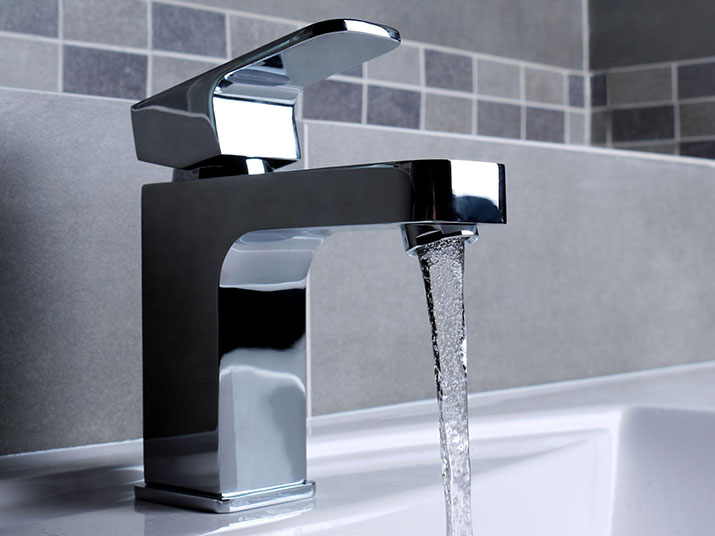
If you’re considering a DIY bathroom faucet replacement, you’re in good company. There are a few good reasons to consider doing so:
Enhance Aesthetics
A new faucet can instantly uplift your bathroom’s look. Outdated or tarnished faucets can make your entire bathroom appear run-down. By simply replacing the faucet, you breathe new life into the space, giving it a fresh and modern feel. Pro tip – go one step further for a fully customized approach and think about replacing the bathroom faucet handles, too!
Improve Functionality
If your current faucet is leaking, hard to turn, or just doesn’t function well anymore, it’s time for an upgrade. Modern faucets come with advanced features like water-saving technology and easy-to-use handles, making your daily routine smoother.
Increase Home Value
Believe it or not, small upgrades like a new bathroom faucet can increase your home’s value. Potential buyers pay attention to details, and a stylish, functional faucet can leave a lasting impression.
Choosing the Right Faucet
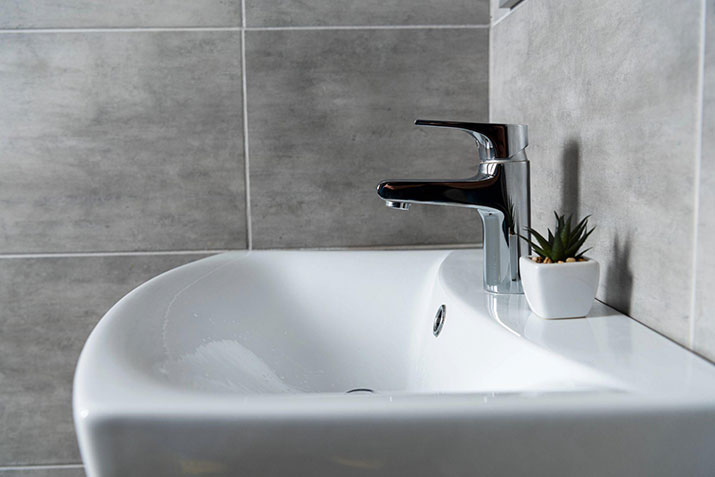
Before you start shopping, take note of your sink type. Is it a single-hole, center-set, or widespread configuration? This will determine the kind of faucet you need, ensuring it fits perfectly.
From sleek and modern to classic and traditional, faucets come in various styles. Choose one that matches your bathroom’s overall design. If you’re unsure, go for a timeless option that complements multiple decor styles.
Faucets come in different finishes like chrome, brushed nickel, or matte black. Consider the other fixtures in your bathroom ? do you want everything to match, or are you looking for a statement piece?
How to Replace Bathroom Faucet Step by Step
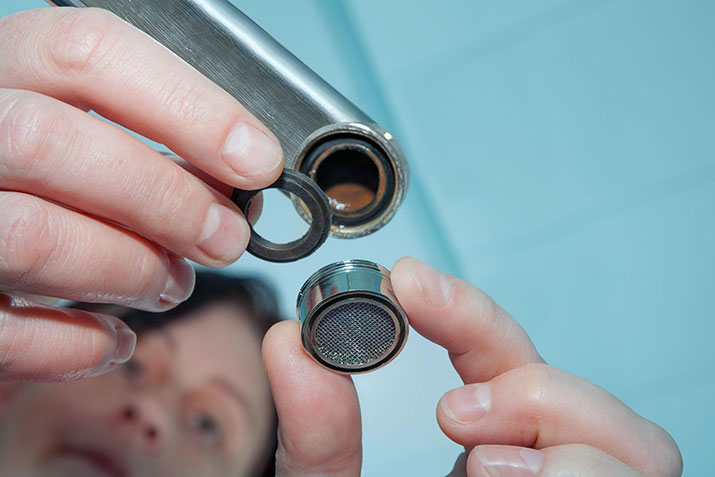
Whether you’re replacing a bathroom shower faucet or a sink faucet, the steps are more or less the same. Here are some tips to help you do it effectively:
1. Preparing for Installation
First things first, turn off the water supply to your sink. Locate the shut-off valves under your sink and turn them clockwise until they’re fully closed.
Remove any items from under the sink to give yourself enough space to work. Lay down a towel to protect your cabinet and catch any drips.
Make sure you have all your tools and new faucet parts ready. Having everything within reach will make the installation process smoother and quicker.
2. Removing the Old Faucet
Now, you need to disconnect the water lines. Using your adjustable wrench, disconnect the water supply lines from the faucet. Have a bucket or towel handy to catch any residual water.
Use the basin wrench to remove the mounting nuts holding the faucet in place. Once the nuts are loose, lift the old faucet out of the sink.
Clean the area around the faucet holes to ensure a smooth installation of the new faucet. Remove any old plumber’s putty or debris.
3. Installing the New Faucet
Place the new faucet into the mounting holes on your sink. Follow the manufacturer’s instructions for any specific positioning or alignment.
Secure the faucet by tightening the mounting nuts. Use the basin wrench to ensure they’re snug but not overly tight, as this could damage the sink.
Attach the water supply lines to the new faucet. Apply plumber’s tape to the threads to ensure a watertight seal. Tighten the connections with your adjustable wrench.
4. Testing the Installation
Slowly turn on the water supply valves. Check for any leaks around the connections and tighten as necessary.
Turn on the faucet and check both hot and cold water functions. Ensure there’s no leaking and the water flows smoothly.
Make any final adjustments to the handles or spout as needed. Wipe down the faucet and sink area to remove any debris or fingerprints.
5. Maintaining Your New Faucet
Your work isn’t over once the faucet is installed! Keep it looking new by regularly cleaning it with a mild soap and water solution. Avoid harsh chemicals that could damage the finish.
If you notice any leaks, address them immediately. Tighten connections or replace faulty parts to prevent any further damage, and be sure to perform an annual check of your faucet’s components. This includes inspecting the water lines and seals to make sure everything is in good working order.
Replacing a Bathroom Sink Faucet is Easier With These Tips!
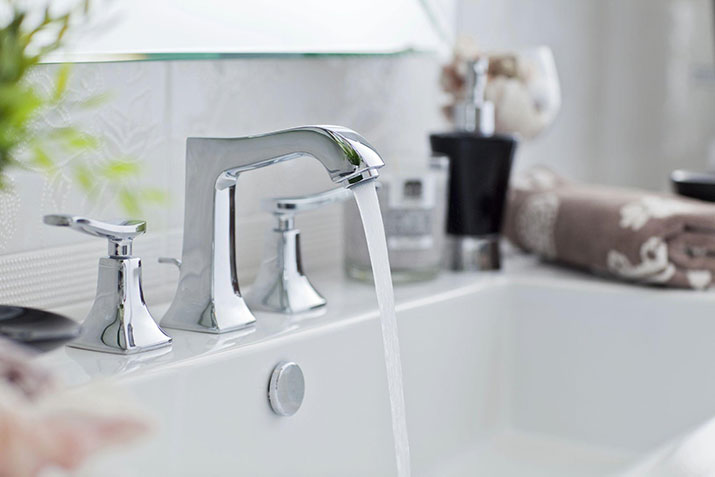
Congratulations! You’ve successfully replaced your bathroom faucet, giving your sink a fresh and stylish look. Not only have you enhanced the aesthetics and functionality of your bathroom, but you’ve also added value to your home.
Replacing a faucet may seem intimidating, but with the right tools and a bit of patience, it’s entirely doable.
Remember, if you run into any issues, professional help is always an option. Now, enjoy your upgraded bathroom and the satisfaction of a job well done!
Frequently Asked Questions
Is it hard to replace a bathroom faucet?
Replacing a bathroom sink faucet is quite simple, and it’s a manageable DIY project for most homeowners. With the right tools and a bit of patience, you can complete the task in a few hours.
Can you replace a faucet yourself?
Yes, you can replace a faucet yourself. Follow the step-by-step instructions provided in this guide, and don’t hesitate to seek professional help if needed.
How much does it cost to replace bathroom faucets?
The cost to replace a bathroom faucet varies depending on the faucet style and any additional tools or materials needed. Generally, it ranges from $50 to $300.
What tools do I need to replace a bathroom faucet?
To replace a bathroom faucet, you’ll need basic tools such as an adjustable wrench, basin wrench, screwdriver, and plumber’s tape. Depending on your setup, you might also need plumber’s putty and a faucet installation kit.

Andrew Saladino
Andrew Saladino co-founded Kitchen Cabinet Kings in 2010, and the company has since delivered cabinets for more than 110,000 kitchens. Named to the NKBA 30 Under 30 in 2013 and 2014, he writes about cabinet styles, construction, finishes, costs, lead times, and the ordering details that are easy to miss until the cabinets arrive.