

Drop-in Tub vs Freestanding: Understanding the Pros and Cons of Each

by Andrew Saladino
March 20, 2025
You’ve just stepped into your dream bathroom. Sparkling tiles, soft lighting, and a shiny new tub waiting for you to sink in and relax with a book and a glass of wine.
If this is what you have in mind when you close your eyes and think about your bathroom remodel, then you have an important decision to make. Before you can actually enjoy that shiny new tub, you need to decide between a drop-in tub vs. a freestanding tub.
It’s a tough decision to make, with each style claiming its own unique benefits and features. We’ll break down those benefits for you so you can make a decision and get back to daydreaming about your new tub – one bubble at a time.
Drop-In Tub vs. Freestanding: An Overview
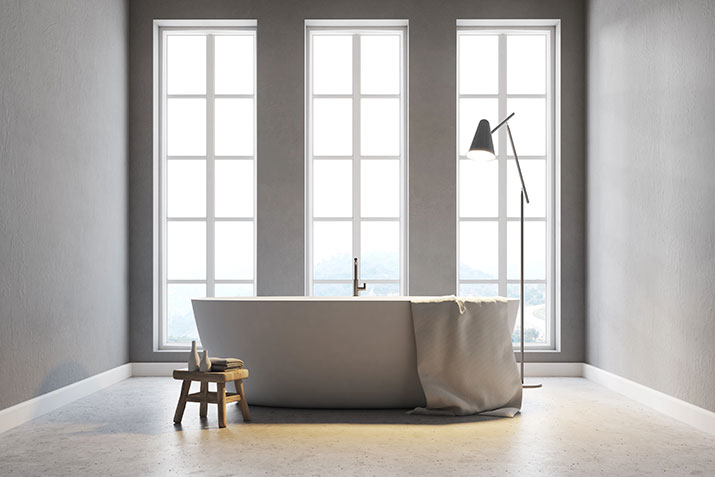
Before we go through the differences between a drop-in tub and a freestanding tub.
First, a drop-in tub. It’s sometimes confused with an alcove tub, but it’s different because an alcove tub, as the name implies, will be recessed into an alcove in the bathroom.
A drop-in tub is installed within a framed enclosure, or “deck,” leaving only the interior visible. These tubs are often flush with or recessed into the surrounding build, creating a sleek and integrated look. Drop-in tub dimensions can vary based on your needs, as can freestanding tubs.
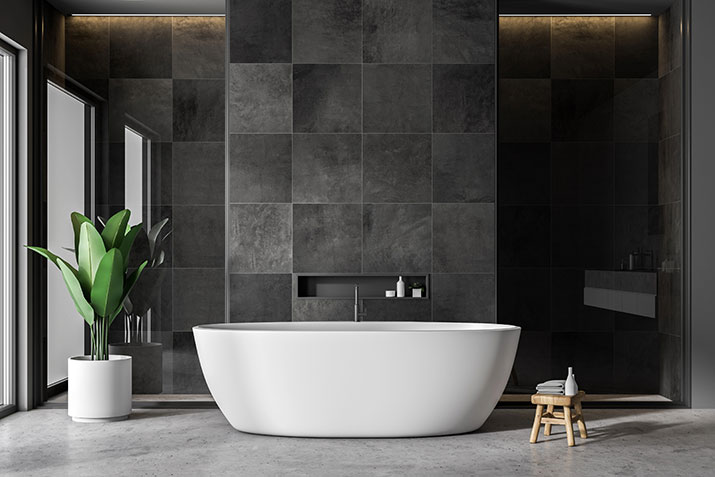
Freestanding tubs stand independently, requiring no additional framework or enclosure. Think clawfoot tubs or those minimalist modern designs when you’re trying to decide if a stand-alone tub like this is right for you.
Freestanding Tub vs. Built In: Similarities and Differences
Now that you know a basic definition of each type of tub, it’s time to weed through the options. Here’s a brief overview of the similarities and differences:
1. Appearance
When it comes to aesthetics, the two couldn’t be more different. Freestanding tubs scream drama – they’re the red carpet of bathroom furniture, effortlessly standing out with their sculptural beauty. They suit contemporary and vintage bathrooms alike, thanks to an endless variety of designs.
Drop-in tubs focus more on subtle integration. They fit snugly into built-in alcoves, blending seamlessly into the overall design. The appeal lies in their clean, minimalist vibe – they’re a more practical choice in some cases.
2. Location
Freestanding tubs are truly the free spirits of bathroom design. If your plumbing allows, you can place one anywhere – by a window, in the center of the room, or nestled in a cozy corner.
On the flip side, drop-in tubs are location-dependent, often requiring an enclosure or specific built-in space, like an alcove. The flexibility here is a bit more limited, but if you already have a dedicated space like that to work with, this may not be a deciding factor for you.
3. Installation and Plumbing
Looking into drop-in tub installation? Be prepared for a lengthier and potentially more involved process. These tubs require a custom frame or deck, and their installation can take longer and cost more upfront due to the extra materials and labor.
Freestanding tubs, while easier to set up, come with their own set of challenges, too. The plumbing must be correctly positioned for freestanding designs, and additional reinforcement may be needed for upper-floor installations due to their weight.
4. Price
A freestanding tub typically costs more than a comparable drop-in tub, but installation costs may even the playing field.
Since drop-in tubs require more labor and additional framework, the overall price difference can vary widely depending on your needs.
5. Maintenance and Cleaning
Drop-in tubs get brownie points for cleanliness. With their enclosed design, there are fewer exterior surfaces to clean, and less debris collects around them.
Freestanding tubs, however gorgeous, can be a bit more tedious – dust and grime can accumulate around the base, particularly if you’re working with limited floor space.
6. Adding a Shower and Flexibility
Adding a shower to a drop-in tub is often easier. Since these tubs are typically built into an alcove, incorporating a showerhead and water-resistant walls feels like a natural fit.
Freestanding tubs? That’s where it gets tricky. While standalone showers can be added, they may require additional plumbing fixtures and thought-out design work. It’s doable, but it’s far from seamless (and takes more effort, plus potentially more cost if you decide to do this later on).
7. Style and Other Bathroom Decor
Freestanding tubs punch above their weight in the style department. Whether sleek and modern or ornately vintage, they become a statement piece.
Drop-in tubs leave the pizzazz to the rest of the bathroom design – think vibrant tiles, striking fixtures, or a bold surrounding color scheme.
8. Flooring Requirements
Flooring matters, folks! Freestanding tubs are heavier, especially when full of water, and might require reinforced flooring, particularly in older homes or upper-level bathrooms.
Drop-in tubs distribute their weight more evenly due to their built-in support structures, making them the more practical option for less robust floors.
9. Storage Abilities
One surprising edge that drop-in tubs have? Storage! The surrounding deck often doubles as a spot for toiletries, candles, or even a book.
Freestanding tubs? The best you’ll manage is a stylish side table – or balancing that aforementioned glass of wine on the edge (risky business!)
Drop-in Tub vs. Freestanding Tub: Which is Best?
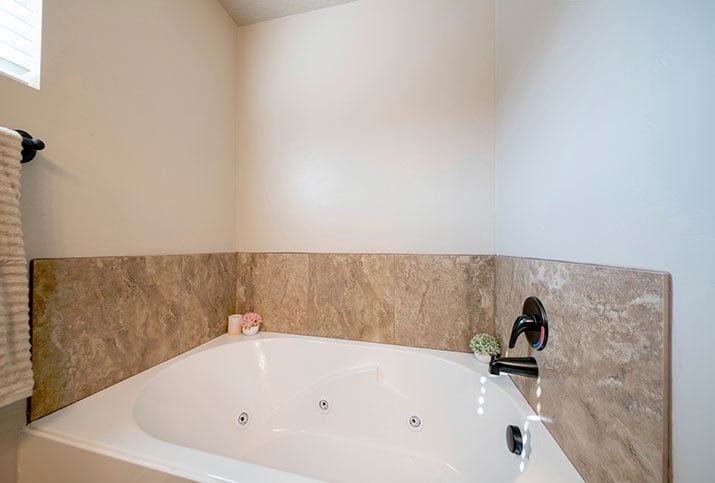
To recap as you make your decision, here are the drop-in tub benefits:
- Space-Saving: Drop-in tubs are ideal for smaller spaces where maximizing efficiency is a top priority.
- Easy Shower Integration: Their enclosed design is perfect for pairing them with a shower.
- Practical Design: The deck offers handy storage for towels, soap, and decor.
- Versatile Looks: From alcoves to corner tubs, there’s a drop-in tub style to fit almost any layout.
And here are a few freestanding tub benefits:
- Showstopper Appeal: This tub becomes the visual heart of your bathroom.
- Placement Freedom: Install it anywhere your plumbing allows?center stage or tucked into a corner.
- Timeless Elegance: Freestanding tubs never seem to go out of style, earning their keep for decades to come.
- Variety: Their designs span across all aesthetics, ensuring there’s one to suit every taste.
Ultimately, there’s no one-size-fits-all answer to the ?drop-in tub vs freestanding? debate. It all comes down to your space, budget, and the type of ambiance you want to create.
If you have your heart set on a minimalist, practical solution, consider a drop-in tub. But if bold and dramatic is more your style, a freestanding tub might be the way to go.
Whichever you choose, one thing’s for sure – with either one of these bathtubs installed in your space, your next bath is going to be a whole lot more enjoyable (and stylish).
Frequently Asked Questions
What are the advantages of a drop-in bathtub?
Drop-in tubs are space-efficient, offer practical storage solutions thanks to their built-in decks, and work seamlessly for shower-tub combinations.
What are the downsides of a freestanding bath?
Freestanding tubs often have higher upfront costs, can be cumbersome to clean (especially around the base), and may require reinforced flooring due to their weight.
Why are drop-in tubs more expensive?
While the tub itself may be cheaper than a freestanding option, the added cost of frames, deck materials, and drop-in tub installation can increase the overall price.
Are drop-in tubs in style?
Absolutely! While freestanding tubs get more attention on design drop-in tubs remain a functional and stylish choice, especially in modern or space-conscious bathrooms.

Andrew Saladino
Andrew Saladino co-founded Kitchen Cabinet Kings in 2010, and the company has since delivered cabinets for more than 110,000 kitchens. Named to the NKBA 30 Under 30 in 2013 and 2014, he writes about cabinet styles, construction, finishes, costs, lead times, and the ordering details that are easy to miss until the cabinets arrive.